All Activity
- Past hour
-
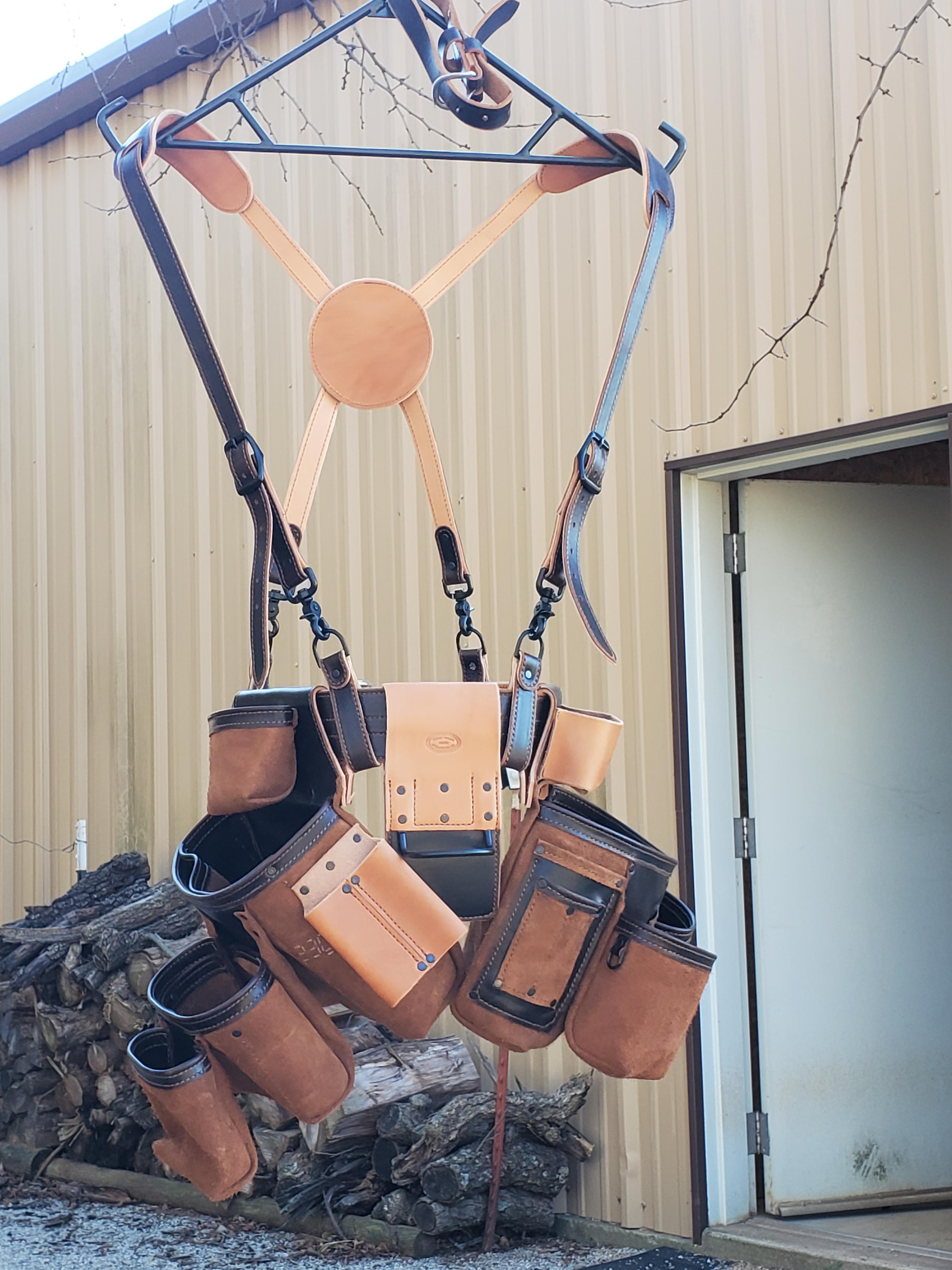
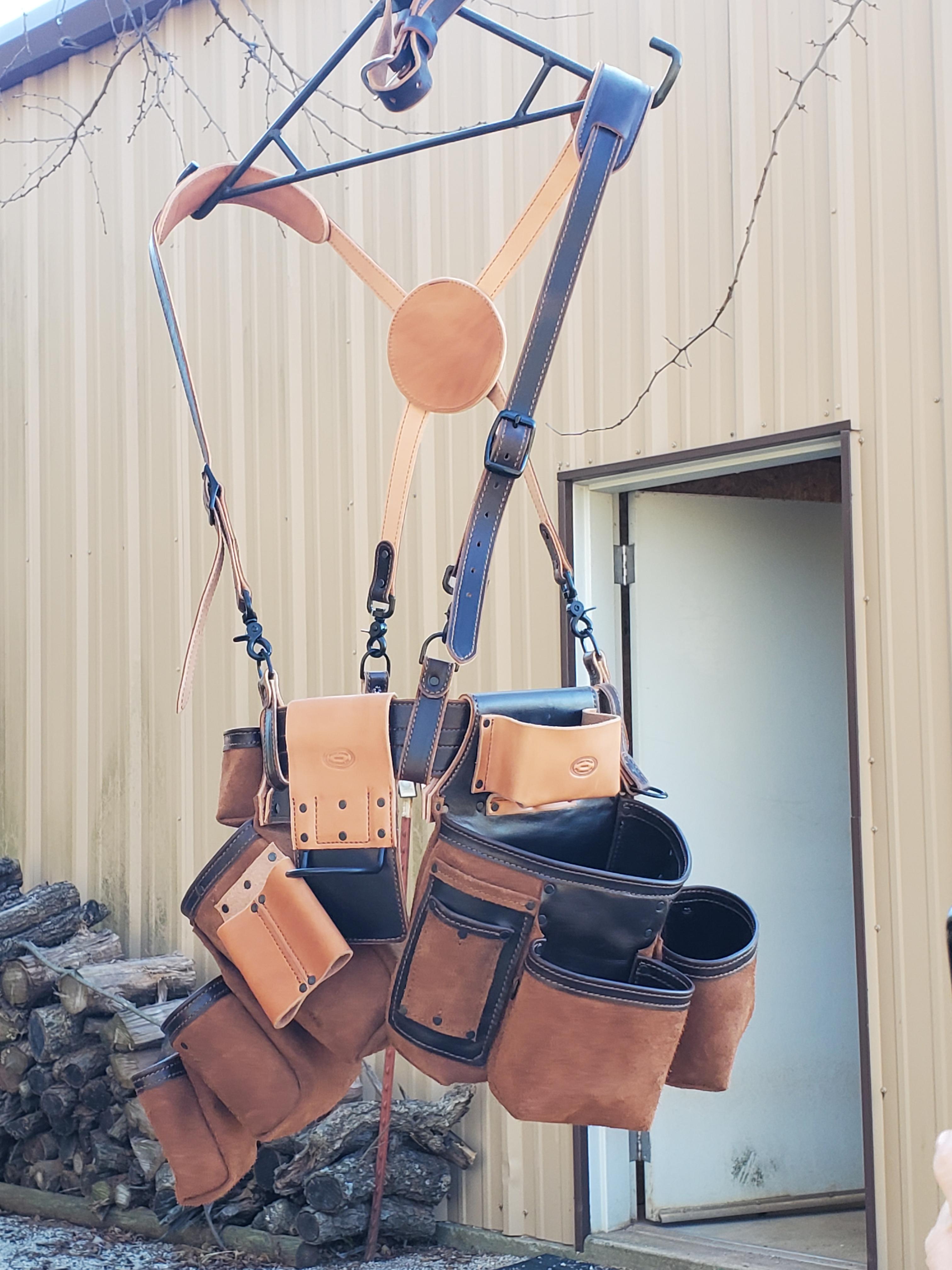
Thanks for the compliments. All in all, it was a fun learning experience. Not sure it's a new direction though. I'll be really interested to see how it holds up during use. Randy
-
 Thinner leather - grain side only. Skirting leather - heavier on grain side/lighter on flesh side. The fibers on the grain side are denser and slower to wick through. The flesh side is looser and wicks in faster. Butt and top of the back is denser, lower belly and neck is looser on grain side so that is a factor also. Just because a piece of leather sucks in the oil does not automatically mean it is dry. Likewise oil that sits and does not absorb right away does not mean the leather is well oiled already. Apply light coats and wait. I applied my oil to nearly every project with a fine napped paint roller and paint tray. Dip the roller in the oil, roll off the excess on the ramp, and apply. I did 3 to 4 belts side-by-side, spur straps arranged in a single layer, and most other small projects. If I needed to overlap for wider projects I just butted up the next roll to the last one, I didn't overlap and over oil that section. It will wick over to the dryer areas faster that it will wick away from an over applied area. After a few times you develop a feel for how often to wait and decide to reapply and how much oil to leave on the roller for thinner or thicker leather.
 - Today
-
Impressive Randy. I made a tool belt for an electrician a few years ago, and there is more that goes into the project than what many people would think. A whole new line of work for you to consider. Ron
-
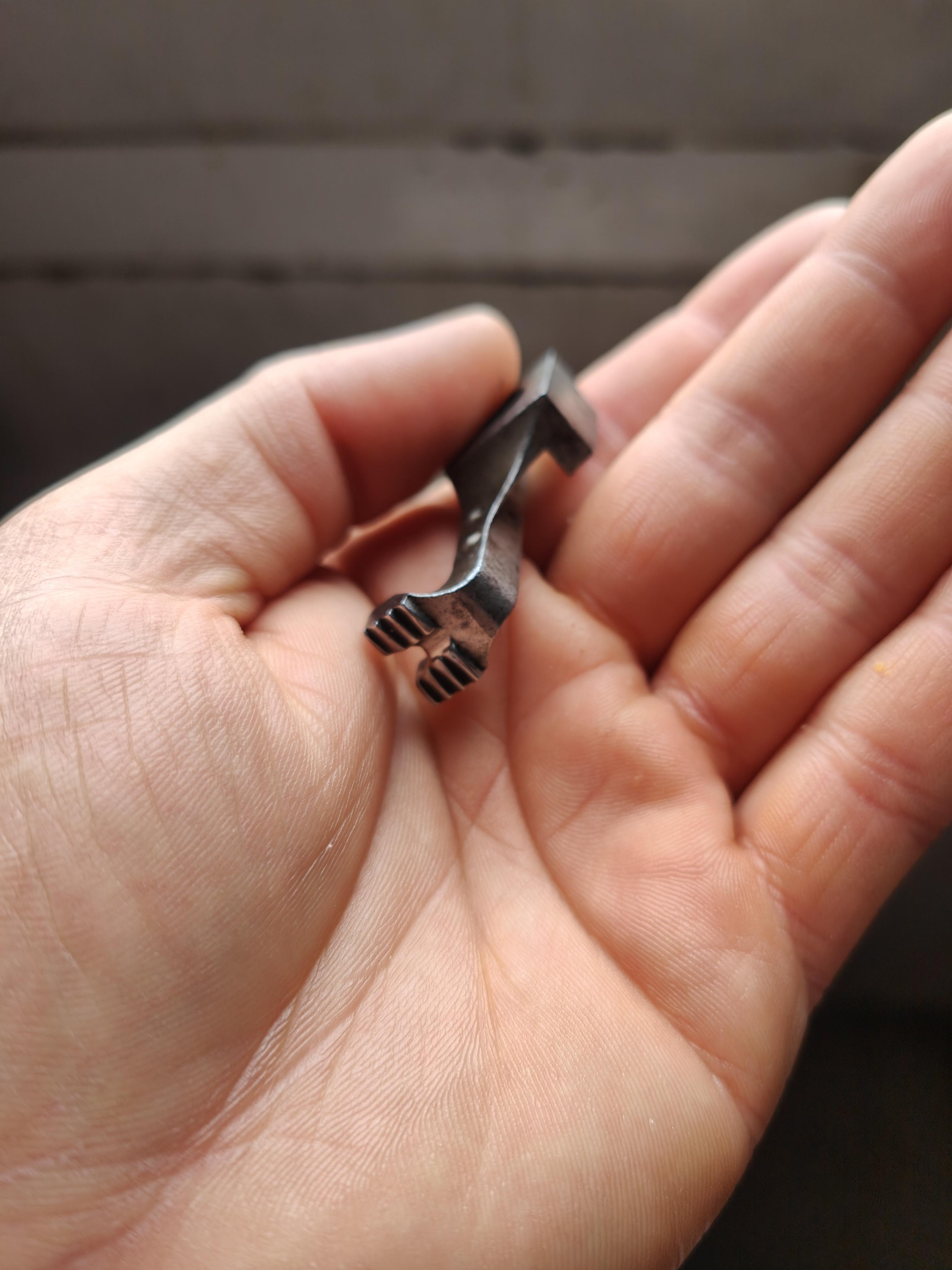
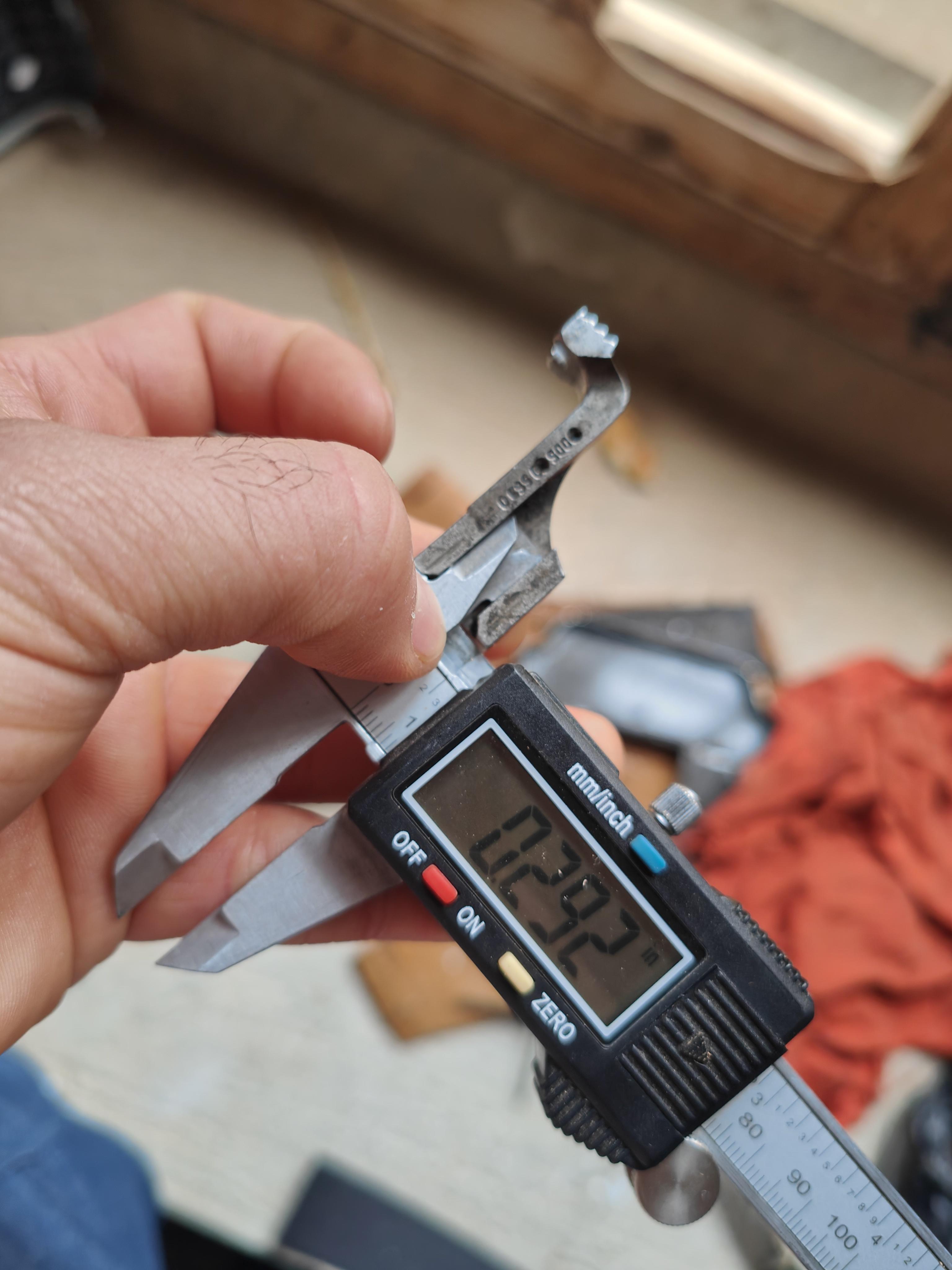
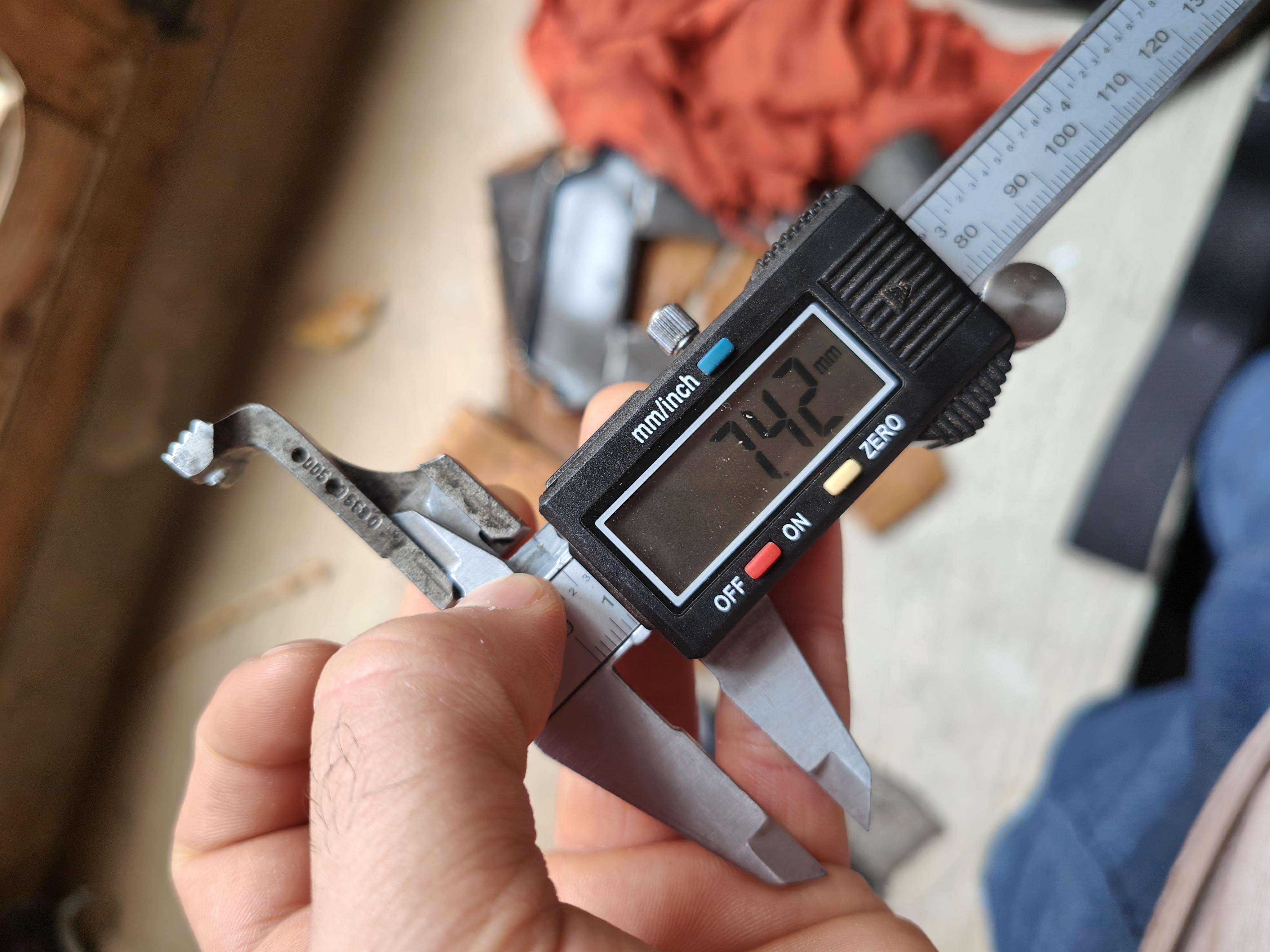
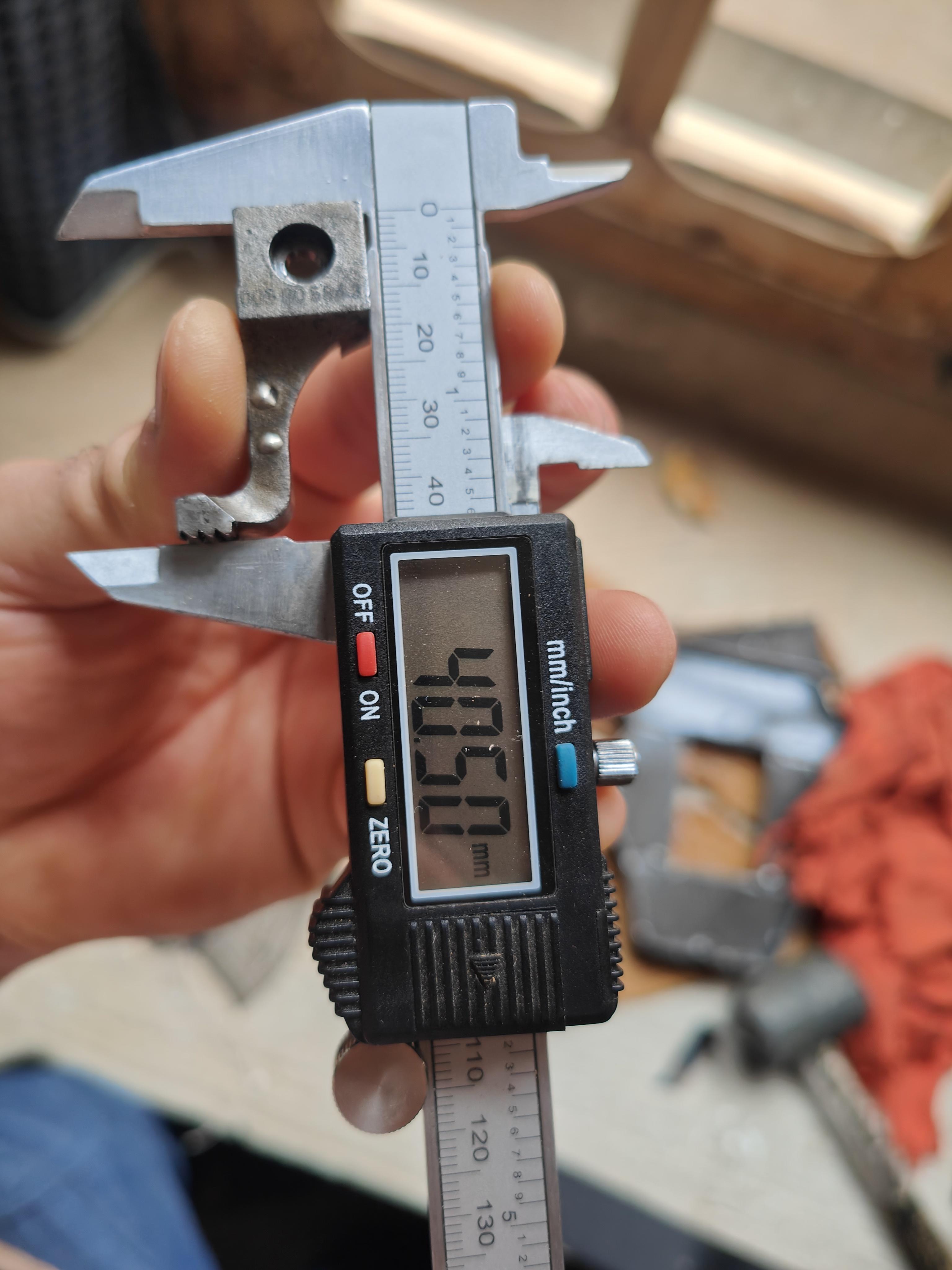
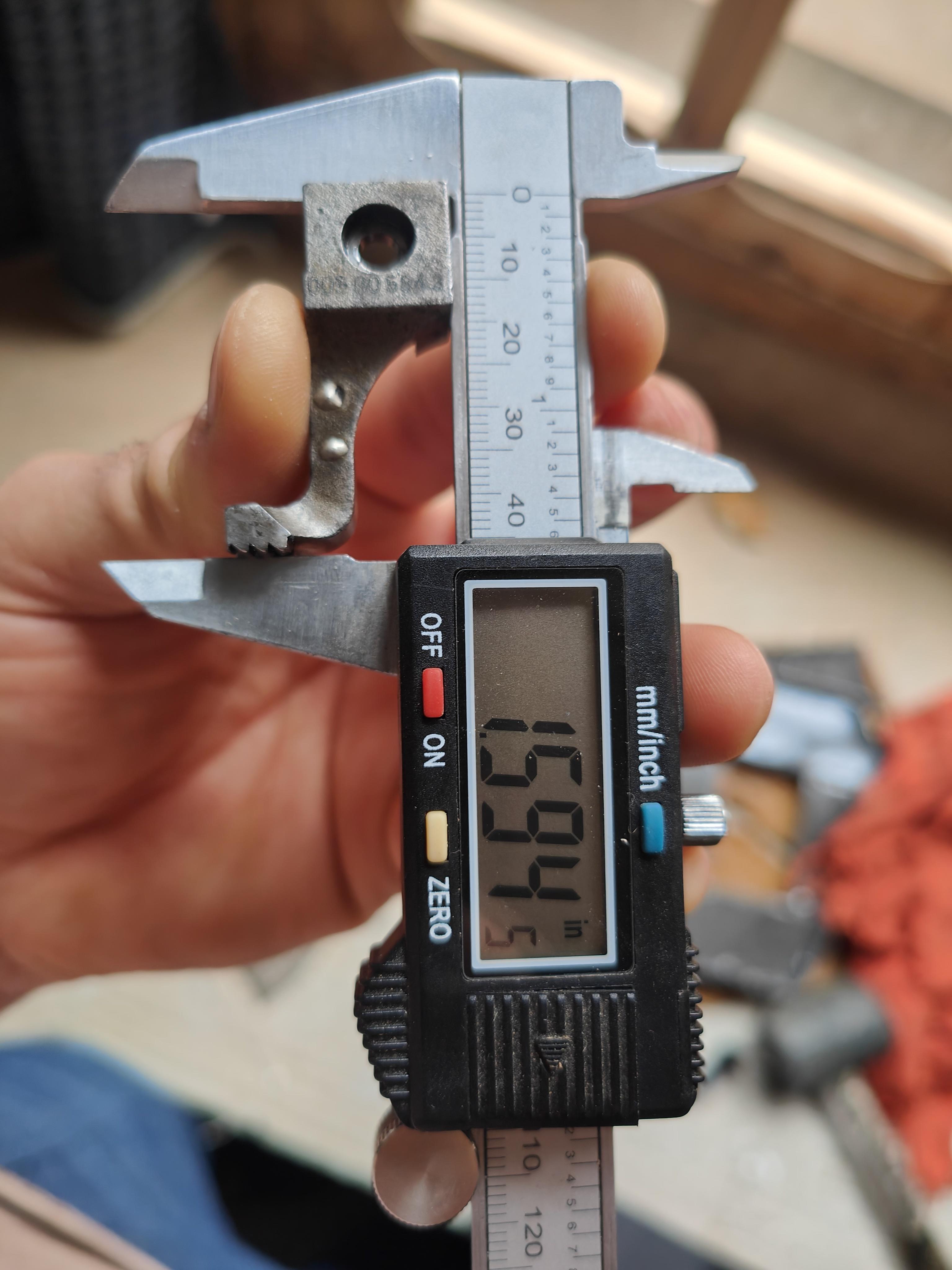
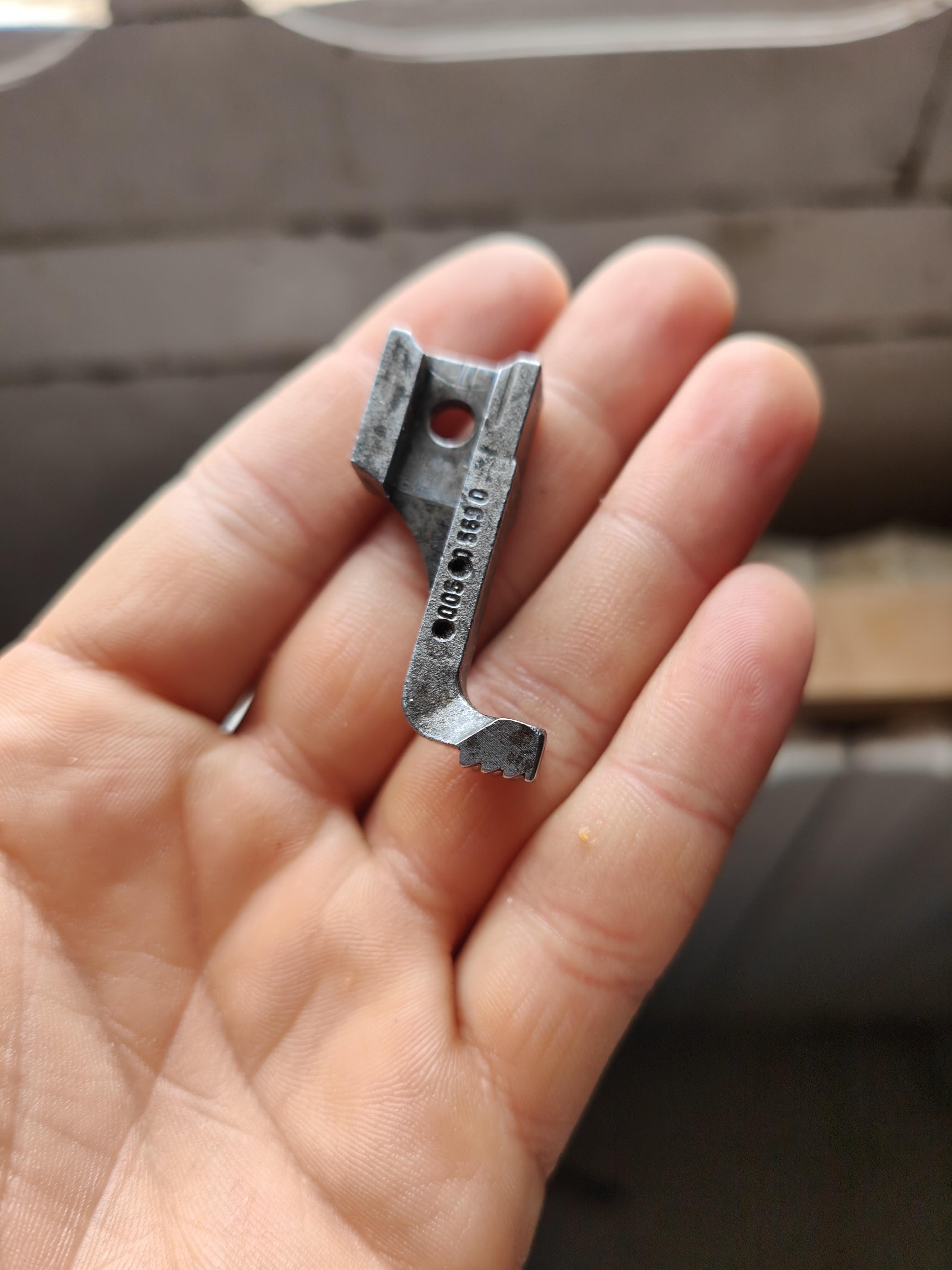
 So i bought this machine recently for a very good price, however i can't find a presser foot compatible with it due to my very poor knowledge of sewing machines, can you identify what system is this foot, and what should i searched when looking for it. I have looked everywhere on Amazon, AliExpress, eBay, everywhere i just keep finding presser foot for Adler 205-370 but nothing for this MO25 version. This foot i have is functioning, but it's just too broad and short and using it is annoying TBH, and the left tooth is completely useless it's landing on air only the right tooth is doing something. Thank you in advance.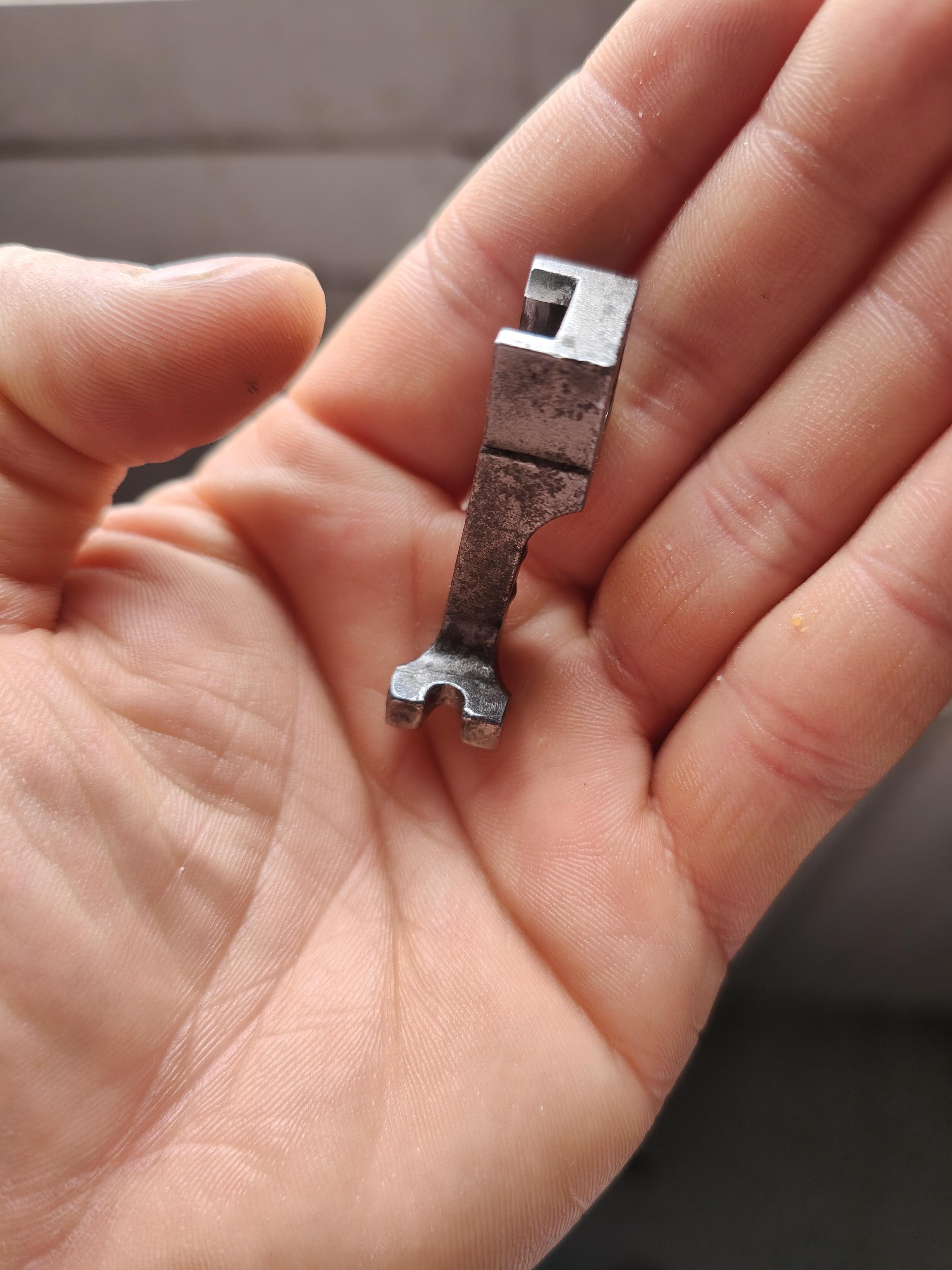
-
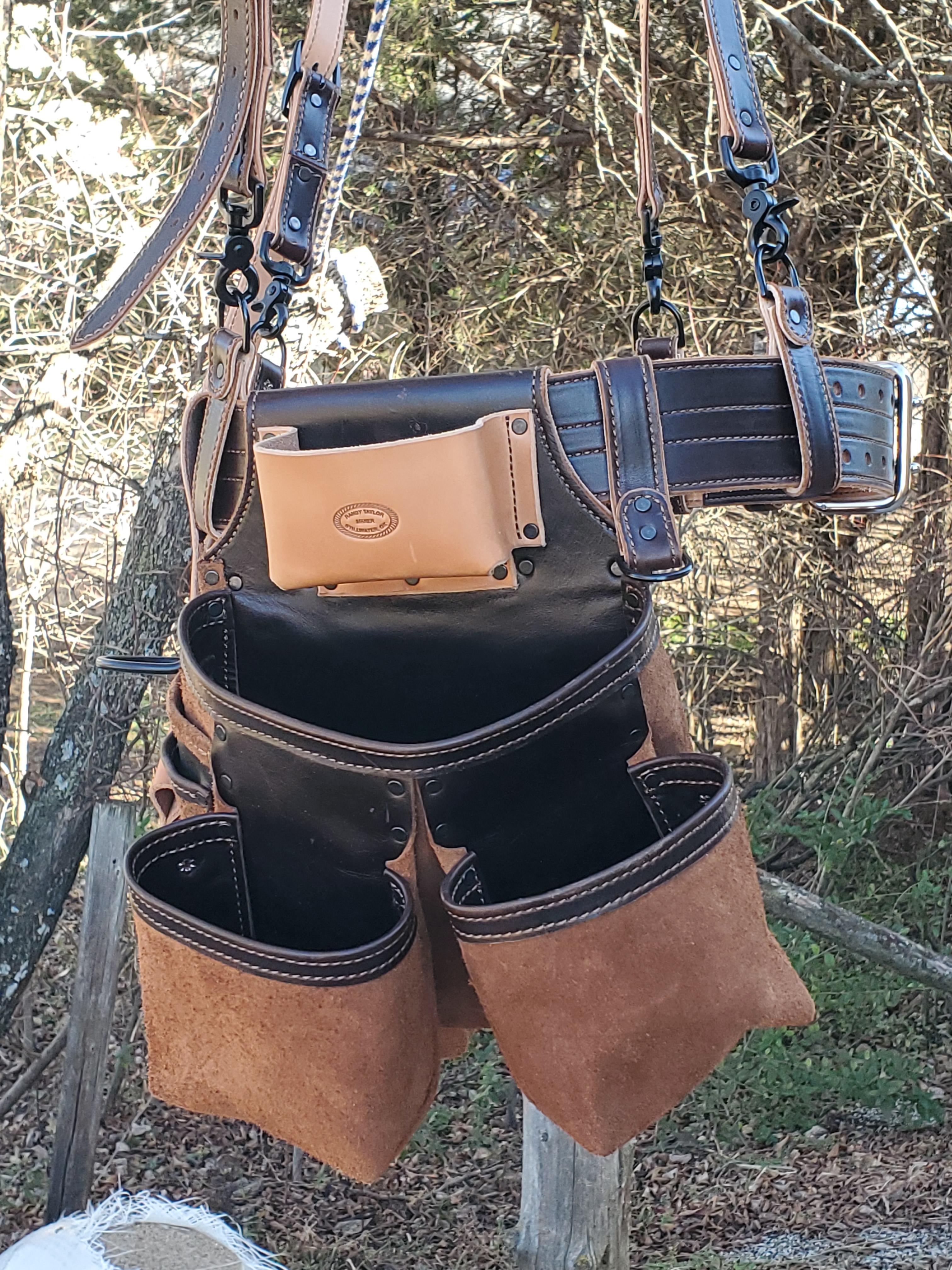
Holy cow, that’s amazing! I hope he’s a big boy - that looks like it would hold 1000 pounds of tools, lol!! Nice job!
-

Pedersen 309 Bobbin case wires question
Einherj replied to Einherj's topic in Leather Sewing Machines
Thank you. I always take a lot of photos when I'm pulling a machine apart. I don't trust my memory at all. I can post more photos when I get further with it, no problem. My aim is to make sure it's running smooth and also looks decent, but not an overall rebuild. I run a small leather goods business, so I have my own workshop to stink up, don't have to worry about the Mrs. I don't even know what that is. They clean machines with dry ice? -
Lots of great pointers in here already. I'd add that Weaver Leather Supply has a line of YouTube videos by Chuck Dorsett explaining how to do various individual skills and walking you through various projects. Those are immensely helpful. Armitage Leather's videos on saddle stitching are the best I've seen. And, if you have a Tandy nearby, taking in-person classes is a great way to get hands-on guidance with a skill—you can only get so far trying to teach yourself.
-
Marvelous work! I see why you now feel you should have just bought him one, lol.
-

Is there a sewing machine for me?
friquant replied to D.jsherwood's topic in Leather Sewing Machines
Pfaff 545 is a flatbed with triple feed (aka walking foot) that I see come up on marketplace for $600 - $800. That's what I bought as my first machine. It's biggest fault for me was the stitch length only went up to 4mm. -
 bike packing bags, chalk bag bottoms, stuff like that. but really i prefer the vertical bobbin if i am using it as a binder.
 -
 Do you have a need for that smaller diameter cylinder arm? If not using smaller needles, then i think the arm size is really the only benefit of going with 246 over 1341 class.
 -
thanks for the reply. the 246 I recently used was a -7 model and brand spanking new. I will check with foresewing. these two are at advanced sewing in pittsburg. I use heavier fabrics, ultra 400tx, all weights of cordura, 16 oz ballistics, ultra 800tx as well as light dyneema, so have different machines for different weight fabrics. whatever cylinder arm I end up with won't be a full time binder nor used on the lighter fabrics.
-
https://tandyleather.com/blogs/leathercraft-library/1917-saddle-bag-pattern-pack?_pos=1&_psq=1917&_ss=e&_v=1.0
-
Around the disc? Meaning more than what is shown in the photo? (The photo looks correct to me)
-
My son just started in construction and asked for a tool belt. I should have just bought him one. It was a fun project and like most things for me, I immediately wanted to build another to fix my mistakes. Critiques are welcome. Randy
- Yesterday
-
Hi John, I also make backpacks and use a 246. To start, for perspective, I paid ~$2500 for my machine with table, servo w/ needle positioner, and a couple other items towards the beginning of 2025. This was with a local guy. These are not too common, Unft. I did not pay for shipping but the fella who found the machine for me in PA did replace a few parts including the hook with Genuine Juki parts. This was a newer style 246, not the older style as is the one you are currently looking at. I can confirm it can easily handle 14 needle and v46 thread. With the fabric you tend to use, you will have no problems even with just two layers but IMO two layers of ~150-210d is about the min I think it could easily handle unless you spend the BIG BUCKS for the extra small needle hole JUKI feed dogs. The 246, when not setup as synchronized binder, uses an elliptical style feed dog (NOT just back and forth) but more an oval shape. As synchronized binder it is simple back and forth motion of the feed dog. I believe the 1341 has the advantage of using a "four-motion" rectangular feed dog for slightly better control of bottom fabric though the needle cycle. On the 246, if you wanted to switch between regular sewing and synchronized binder, it is only a matter of 10min to swap all parts. If you use non-genuine juki parts, the swap is very much a reasonable cost. The pictured 246-6 is missing an item or two at first glance and top cover of cylinder arm appears misaligned or bent upwards compared to the throat plate. Both parts are easily replaced. As mentioned, the pfaff 335 is similar but both the pfaff and the juki have many different sub classes of those 335/244/245/246 models. Last year, Gary at Forsewing had a number of used 245/246's. Nothing listed on his site right now but might be worth inquiring with him. LA based but it was only $300 for freight at the time of quote.
-
interesting. the Juki 246 I used was bear of a machine. we used it to bind seams on 10 packs during a class and had much stronger pull than i remember the pfaff having.
-
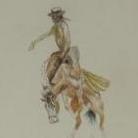
She looks quite annoyed about it, too... I'm enjoying these cards you're doing. Thanks for posting them.
-

Singer 133k17 threading and stitch length adjustment
pierre2171 replied to sandyt's topic in Leather Sewing Machines
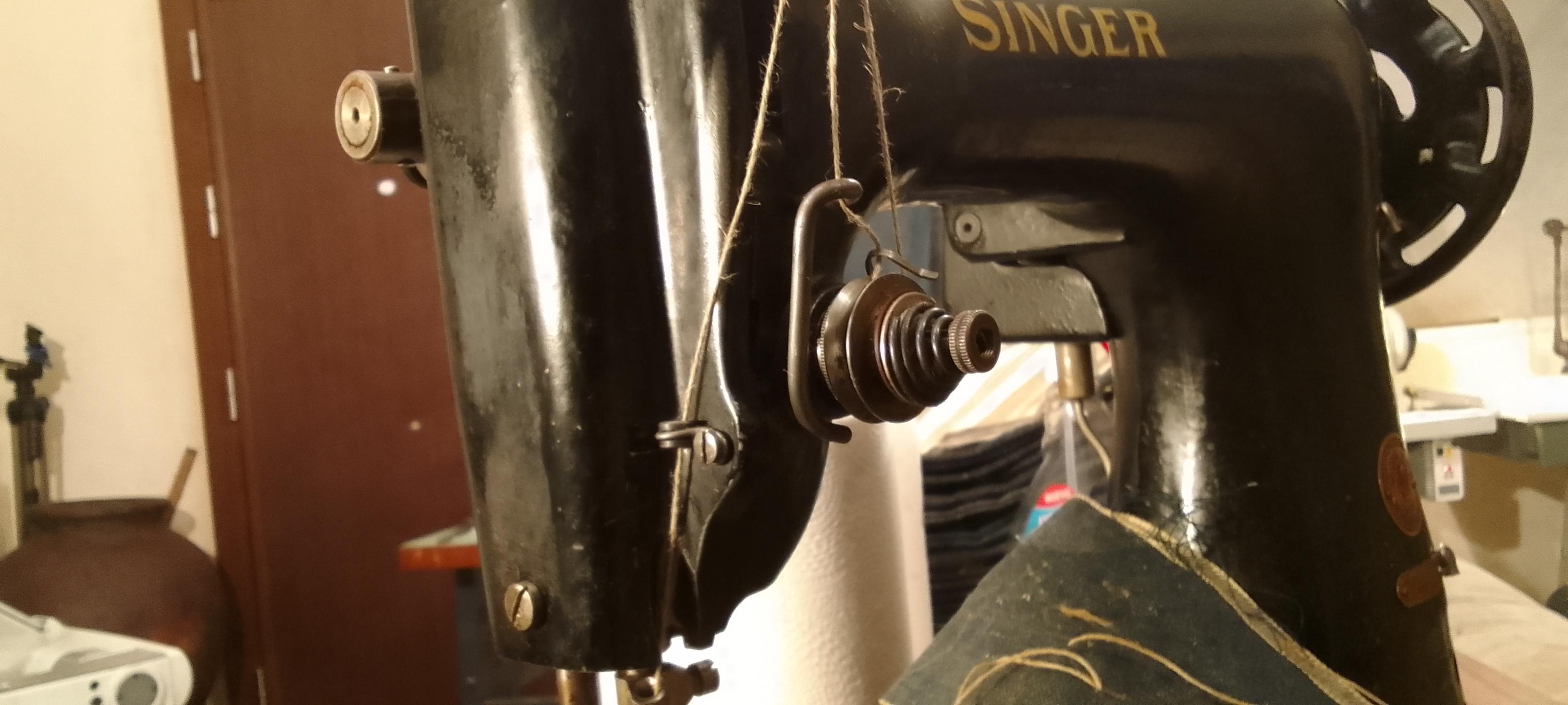
Hello I own a 133k13 jumping foot. I dont know how to set up the bobin to sew. Any help or manual available thank you. Its to repair jute bags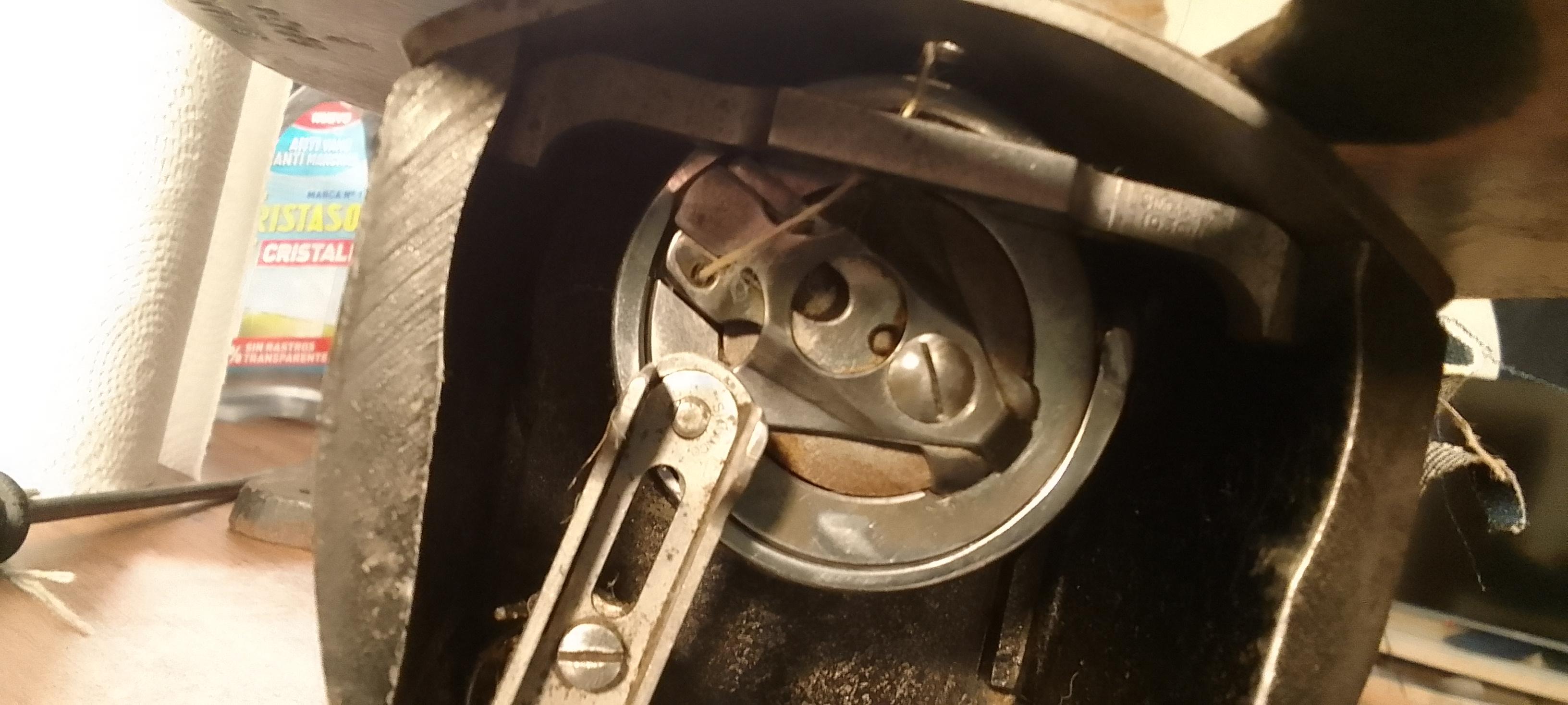
-
Thanks. I also love lever guns. When I was a kid and my dad took me down to get my first hunting rifle, I chose a Winchester Model 94. Used, of course, but a great rifle. As to your wrap, I figured something like that might be the case. A bit of up front work sure makes the difference.
-
That little black guide is called a check spring. It's a very important part of the thread path. The "snap' you mention is the sound of the thread snapping behind that teeny little tab, visible through the oval hole next to the screw. If it's not snapping in, try holding the thread that's above the check spring so that it doesn't pull from the spool. At that point in your threading process, you could drop the presser foot. That will clamp the tension discs down and should hold your thread. Based on the angle of the thread coming off the check spring, it looks like it's behind the tab. I think.
-
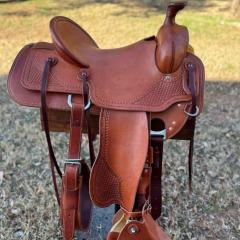
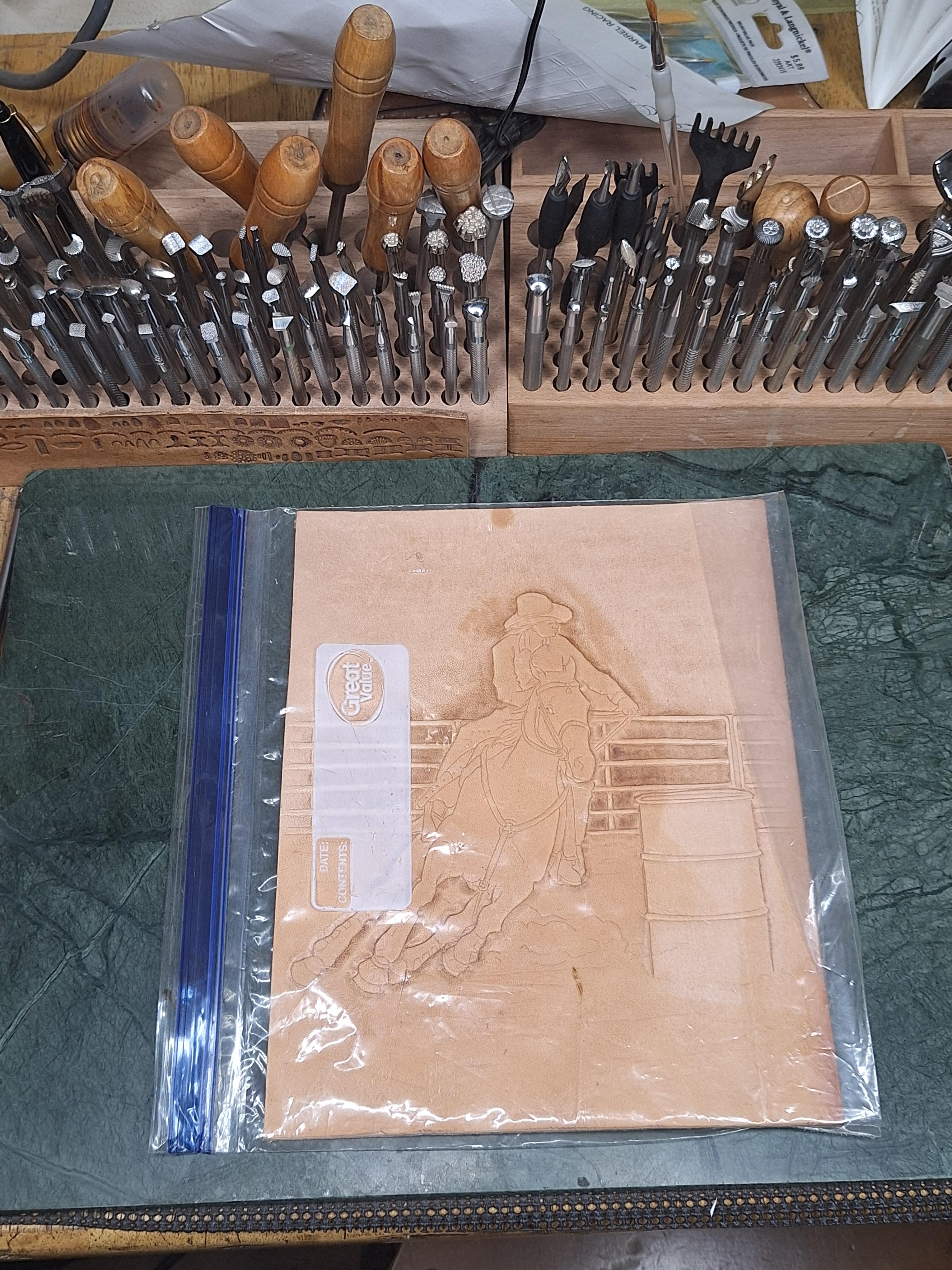
What's on the bench today? Barrel Racing, thought it would be fun to do a womans Western sport carving.
-

Is there a sewing machine for me?
Wizcrafts replied to D.jsherwood's topic in Leather Sewing Machines
You'll need a walking foot machine for this job. It could be a portable walking foot machine made by Sailrite. Or, it could be an industrial machine head mounted on a 20x48 inch table with a clutch or servo motor under the table. -
More experienced voices will no doubt chime in here but you should be able to get into a used machine with that budget. A tight budget, for sure and your may end up with a fixer upper, but doable. I'm thinking something in the range of a Consew 206RB-x (x being a number up to 5), or one of it's many equivalents. Start fishing what you find past the experts here and you'll probably get great advice. I'd only suggest holding out for something with reverse. You don't need it and not having it will save you money. But you'll experience a feeling of lack every time you use an older method to lock your stitches.
-
Hello all. I just joined here to ask you all gor advice on what machine to get. I dont have much, I really can only go up to about $650 on the machine itself, and I need it to redo a boat interior, so, vinyl. It seems as though each time I find one I think would work, I see one you all or folks elsewhere saying not to get it.