



Sheilajeanne
-
Posts
2,759 -
Joined
-
Last visited
Content Type
Profiles
Forums
Events
Blogs
Gallery
Store
Everything posted by Sheilajeanne
-
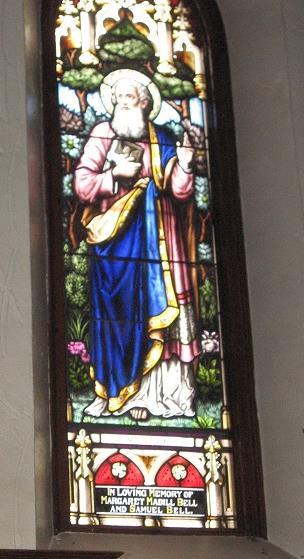
Coming to Upper Canada was definitely a good move for my 'anchor ancestor'. If he had remained in Ireland as a tenant farmer, he never would have owned the land he farmed, nor would he have had anything to pass on to his children. In Canada, he was able to get 200 acres of land from the government for free, as long as he developed it within a certain number of years. Not an easy task when the land was all virgin forest! He did rather well for himself, In 1861, the first year for which I have a census record, he was living in a brick house while his neighbours were still in log cabins. The two biggest surprises I've found so far are that my great grandmother's first husband was assistant editor for The Mail, a Toronto newspaper which eventually merged with George Brown's Globe to become The Globe and Mail. The Globe and Mail is one of Canada's best known newspapers. His mother also worked for The Mail, as a reporter. This would have been a very unusual job for a woman back in the 1860's. She had to work, however, as her husband had died. Secondly, I recently discovered there's a stained glass window in the church I attend that's dedicated to the parents of one of my great uncles. Both he and his father were physicians, so the window is dedicated to St. Luke.
-
The dangers of farming are not well known to the general public. Injuries from livestock or farm equipment are all too common - one of my uncles broke both his ankles when his pant leg caught in the hay elevator. He also accidentally ran over one of his son's with the disc harrow, when the boy fell off the back of the tractor! He suffered from farmer's lung in his old age, but still managed to outlive all of his siblings. And that's JUST one of the six families who stayed in farming! (There were 10 kids in my dad's immediate family.) Out of those six families, some of the grandchildren farmed for awhile, but as of today, they have all taken other safer and more lucrative jobs. One quit due to several friends dying of cancer. This got him concerned over the many chemicals farmers are exposed to, especially the pesticides. I think my father's youngest sister's grandson may be doing dairy, judging by what I see on his FB timeline, but I don't talk with him, so I'm not sure. I know his dad worked as a welder after his parents sold their farm.
-
Very true! All of us except for indigenous people were immigrants at one time, and my German/Irish ancestors were also refugees. The only one of my dad's family to fight in WWII was my eldest uncle, who helped to liberate Holland. Farmers were exempt, as the livestock needed looking after, and someone had to grow food to feed the people. My dad went to enlist, but they saw shadows on his lung x-rays and told him he had TB, and essentially sent him home to die. It must have been dust from the threshing on the farm because, as a teacher, he frequently was tested for TB, and the tests were always negative. He did develop respiratory problems in his old age, probably due to all that dust he inhaled before leaving the farm (farmer's lung). He lived to be 89, just missing his 90th birthday be 3 weeks! Another uncle worked on the home front for the RCMP, helping to track down Nazis and other foreign agents.
-
Chuck - wow!! Very interesting! Some of my family members who remember world wars with Germany were upset to find out about the German ancestry. Which is pretty silly, because it dates back to long before either WWI or WWII. On my mother's side of the family, her grandmother and grandfather immigrated from Germany at the time of Bismarck. I found it interesting that the grandmother's ancestry suddenly changed to 'Canadian' from 'German' on the Canadian census done at the time of the first world war! Maybe I'll get around to doing my DNA profile one of these days...
-
Spyros, I have NO idea what the original label on my cutting boards said! I got them a long, long time ago. So, not going to trust them with my chisels.
-
The poundo board was from Tandy. And yes, I have it under the belly leather when punching holes.
-
I used plastic cutting board in my kitchen, and also have a couple for leatherworking. However, the HDPE seems a LOT harder to me than a poundo board, which is like firm rubber. After ruining those chisels on the poundo board, I'm not tempted to do any punching on the HDPE~
-
This piece of belly leather was unusually thick. Parts of it are around 10 oz! Tandy was having a sale, and I bought it to practice my carving skills on. Found it had other uses, too! Fred, that looks like a great idea!
-
After ruining a set of chisels on my poundo board, I now punch with a thick piece of belly hide under my project. Cheap, and easily replaced when it gets too many holes in it!
-
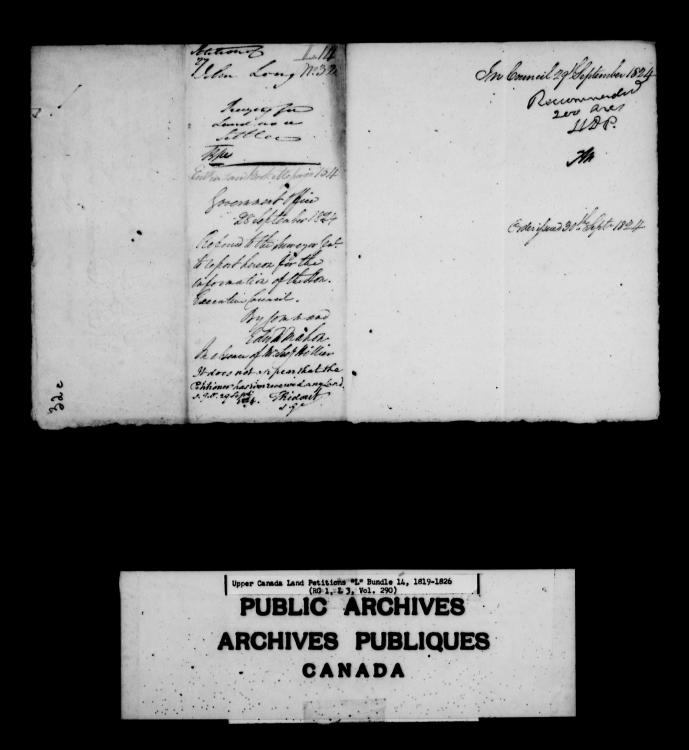
Very interesting, Fred! Trefoil, of course, means three-leaved, and of course there are many plants that meet that description. I wonder if the plant was actually Oxalis, which is frequently eaten by people: https://en.wikipedia.org/wiki/Oxalis I've always know my father's mother's people were from Ireland, and in the last few years, I've been working on the family history. They came from Limerick (Rathkeale) and were actually descended from German refugees who left the Rhineland Palatinate area after it was devastated by war with France in the late 1700's. After there arrival in Britain, Queen Anne sent them to Ireland to work as tenant farmers for the wealthy English landowners. My dad often wondered if they were pioneers in Ontario, and recently I was able to verify that, by finding the crown land grant that was given to them in 1824! Yes, it's very hard to read, but if you look at what's written on the right it says: In council 29th September 1824: Recommended 200 acres. Order issued September 30th 1824.
-
The horse I used to own was a flea-bitten gray, whose coat was almost completely white, except for the so-called flea bites. There was a stream that ran through the paddock where they turned her out. EVERY TIME she would stop when she got to the stream, paw the water for a bit, then lie down and wallow like a hog! When she was done the one side, she'd get up, lie down again, and treat the other side to a mud bath! Fortunately, this was always at the start of her time at pasture. By the time she returned to her stall for her supper, most of the mud would have dried and fallen off, so she would be reasonably clean when I came after work to ride her!
-
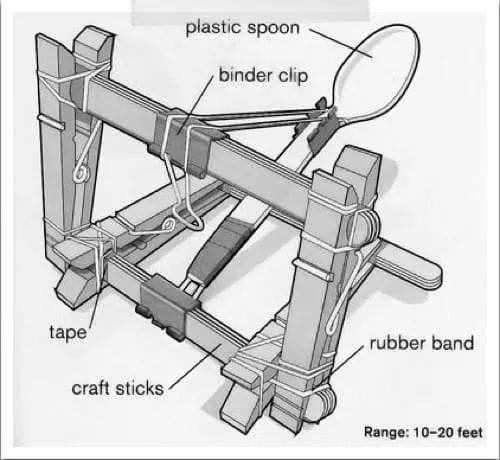
This popped up on my FB feed today, and after I stopped laughing, I saved it to my files, as I'm one of those people who still line-dries my clothes, weather permitting... I also have a stash of popsicle sticks I use for glue spreading! Anyone else want to have a go at it? If you have access to FB, the comments are an absolute hoot! https://www.facebook.com/photo?fbid=10226688914198349&set=gm.2245700192272969
-
I agree Spyros!
-
Wow, that's very interesting, Spyros! Reminds me of when I was doing visiting nursing. One of the most important jobs was the coordinator that assigned the calls to all the nurses. Our company covered a very large geographic area, the company had to reimburse us for mileage, and some of the calls were timed calls, such as antibiotics that had to be given within a one hour time frame. The coordinator also had to take into account where each nurse lived, and try to assign calls that weren't too far from her home. I did not envy those people their jobs, but they were VERY good at it! I may have forgotten the names of some of the nurses I worked with, but I still remember the one coordinator because she was so very good at her job, and sympathetic to the stresses the nurses were under too. Things could change very rapidly throughout the day, too. You could start a day out with 3 or 4 calls and end up with as many as 13! My husband got very used to me telling him, "I'll be home for supper when I'm done. And NO I have no idea exactly when that will be!"
-
Yup! Have any of you seen this thread about the adventures of a parcel Frodo tried to send to Romania?? https://leatherworker.net/forum/topic/92890-is-the-customer-ever-going-to-get-his-package/?tab=comments#comment-634435 Oh, and my niece tried to send a Christmas gift to her sister in Manitoba, from Waterloo, Ontario. It was first sent to New Brunswick! So, Canada's not doing too much better!
-
WOW! Thanks, MtlBiker! Excessive shipping costs are the main reason I don't order many things outside of Canada.
-
No, not ON the business end, but BESIDE it, pressing down on the leather as you pull the chisel out. You only do this after you've made the holes. Fred also uses his 'block of blocks' underneath the leather, to protect the tines of his chisels. Edit: ah, I see Fred's picture explains it very well! Fred, do you have the plastic there when you're punching with the chisels? That would certainly speed things up! Where did you get the plastic?
-
MtlBiker, the block goes beside the business end of the chisel, so the leather doesn't cling to the chisel and get stretched as you pull the chisel out. Fred uses a piece of clear plastic with a slot in it instead - that sounds like a great idea, as it would help align your chisel, as well as providing pressure on BOTH sides of the chisel as you pull it out. The wood block method would just work for one side, unless you cut a slot in it. The leather I am currently working with is VERY stretchy, so the wood block really helps! Fred, we've had this discussion before, and as a result, I, too, bought some cheapo chisels from China, and so far, they are working just great! :D Edit: yeah, I keep saying 'punches' (which take a small piece of leather away) when I mean 'chisels'!
-
I keep hearing of companies who lay off their older workers, or force them to take early retirement, because they cost the company more in wages than the younger workers. They often wind up hiring them back as 'consultants' because the young 'uns haven't a CLUE what they are doing, and totally screw things up! FALSE ECONOMY to get rid of your experienced people!! Another story - I recently found out my mother's father, who was station agent for the local C.N.R. railway station retired in 1947, before I was born! That was his OFFICIAL retirement date. Before I was old enough to be in school, my mom would take me with her when she went down to Main Street to shop. She would often stop in at the station to talk with her dad. I still remember seeing him with his green transparent eye shade, and his sleeve garters. He died when I was 7, at age 76. He kept working until about a year before his death He would have lived longer if he hadn't been such a heavy smoker of 'roll your own' cigarettes.
-
Mtl.Biker, I had a set of the black stitching chisels from Tandy, and my poundo board totally WRECKED them!! And these were Tandy Pro punches! https://tandyleather.ca/collections/tools/products/88043-535-pro-line-diamond-stitching-chisels Okay, if you are using your stitching horse, I can see using a cork, but I pre-punch my holes before stitching. Only thing I use my awl for is if I'm having trouble finding the hole, because it's sort of closed itself up! A way of preventing stitch holes stretching when you are using a punch is to use a pulling block when removing the punches. Got this tip from Nigel Armitage's book - get a small block of wood, and place it beside your chisel when pulling it out of the holes!
-
So using cork on the backside is better than another piece of leather? I've been using a nice, thick piece of belly leather, after I found my poundo board wasn't good for my punches.
-
I save popsicle sticks for spreading glue...
-
Okay, here's a few things I've learned. As an older person who's having quite a bit of back and hip pain right now, don't forget your comfort. A comfortable chair, NOT a hard wooden stool will be very helpful with those long tooling and sewing sessions. On casters, of course, so you can zip between work stations! Let's not forget good lighting. I have a very bright LED tube hanging from the shelf above my tooling/cutting area. Don't know what I'd do without it! Table height is important too. My work area is made up of repurposed kitchen counters which came with the house. The previous owner had been into sewing in a big way. I soon found the counters were just a little too high for me to work comfortably, so I had my handyman saw a couple of inches off the bottom. I hear ya about electrical outlets!! Mine are all down near the baseboards, so I had to plug in a power bar to make the juice accessible. And yes, definitely have them covered - leather dust gets EVERYWHERE, and you don't want it getting in the outlets! As for storage, I have a big problem with dust in my work area, because there's been a lot of work being done on my home. Fortunately, there's a large closet with sliding doors and shelves in the room, and this is where I store my leather. It protects it from the light, too. Things I used most frequently are on the shelves over top of the work areas, or in a small plastic tool storage box (3 drawers, it's about 8" x 10") (swivel knives, honing oil and stones, box cutter) or in the topmost drawers of the counter, on either side of the knee hole (cork back rulers, shears, . I also have a plastic 6 drawer storage unit for less frequently used stuff. Yes, I have to hunt for stuff sometimes, but I have a pretty good memory as to what's stored where. Messy stuff like dyes and other liquids are in plastic boxes inside the counter cupboards. Stamps are at the back of the tooling area in racks. I am planning to add a pegboard at the back to store things like edgers and chisels.
-
True, dat!
-
I was doubly lucky in that I found a wonderful mentor when I signed up for their free beginner's classes. God rest your soul, Bill, there must be thousands of leather workers out there who were turned on to this marvelous craft through your patient teaching! He also knew the stock in the store better than some of the managers Tandy picked to work there...
