
Constabulary
-
Posts
5,801 -
Joined
-
Last visited
Content Type
Profiles
Forums
Events
Blogs
Gallery
Store
Everything posted by Constabulary
-

What is this "fur/leather" this machine for?
Constabulary replied to d72hemi's topic in Leather Sewing Machines
Ha ha - haven´t even noticed all posters are Krauts or live in Kraut Land Never mind -
What is this "fur/leather" this machine for?
Constabulary replied to d72hemi's topic in Leather Sewing Machines
joergfbernhard Das Forum ist international, besser in Engisch schreiben this is an international forum, better write in English -
I want the head
-
Nope - all gone - even in Germany. There is a looooong thread in a German Sewing Machine Forum where they have replaced the pulleys and timing belts. Seems to work but it was a pain ITA. I´ll look for the link and post it here. EDIT: it was an Adler 189 but same problem and same belt afaik https://naehmaschinentechnik-forum.de/viewtopic.php?f=14&t=1485
-
Are sewing machines worth the money
Constabulary replied to Horsewhishper's topic in Leather Sewing Machines
Or increasing import taxes on Chinese products -
Singer 7-34 skipping a stitch?
Constabulary replied to Sambishop16's topic in Leather Sewing Machines
I have no adjustment data for the Singer Class 7 but I would assume you have to lower the needle bar a tiny bit. It happens that the needle bar moves a up a little bit over the years (?) of use. Or you probably have bring the hook closer to the needle. I would download the Consew 733 Manual and use the adjustment data because it is a very similar machine. http://www.consew.com/Files/112347/InstructionManuals/733R.pdf All to my best knowledge. EDIT: looks like you are sewing 1 layer of relatively thin leather - what happens when you sew 3 - 4 layers of leather or thicker material in general? -
I have no idea I never worked with Dexion angle profiles or the like. They would not be my 1st choice to be honest (for optical reasons). I would probably choose to sort of tubing push-fit system - if you know what I mean.
-
Sewing machine thread looper for thread stand
Constabulary replied to RockyAussie's topic in Leather Sewing Machines
Nice idea again but why not using a needle threader, a serger looper or a plain twisted wire loop? BTW - How do you get coffee splatters on top of a thread stand? -
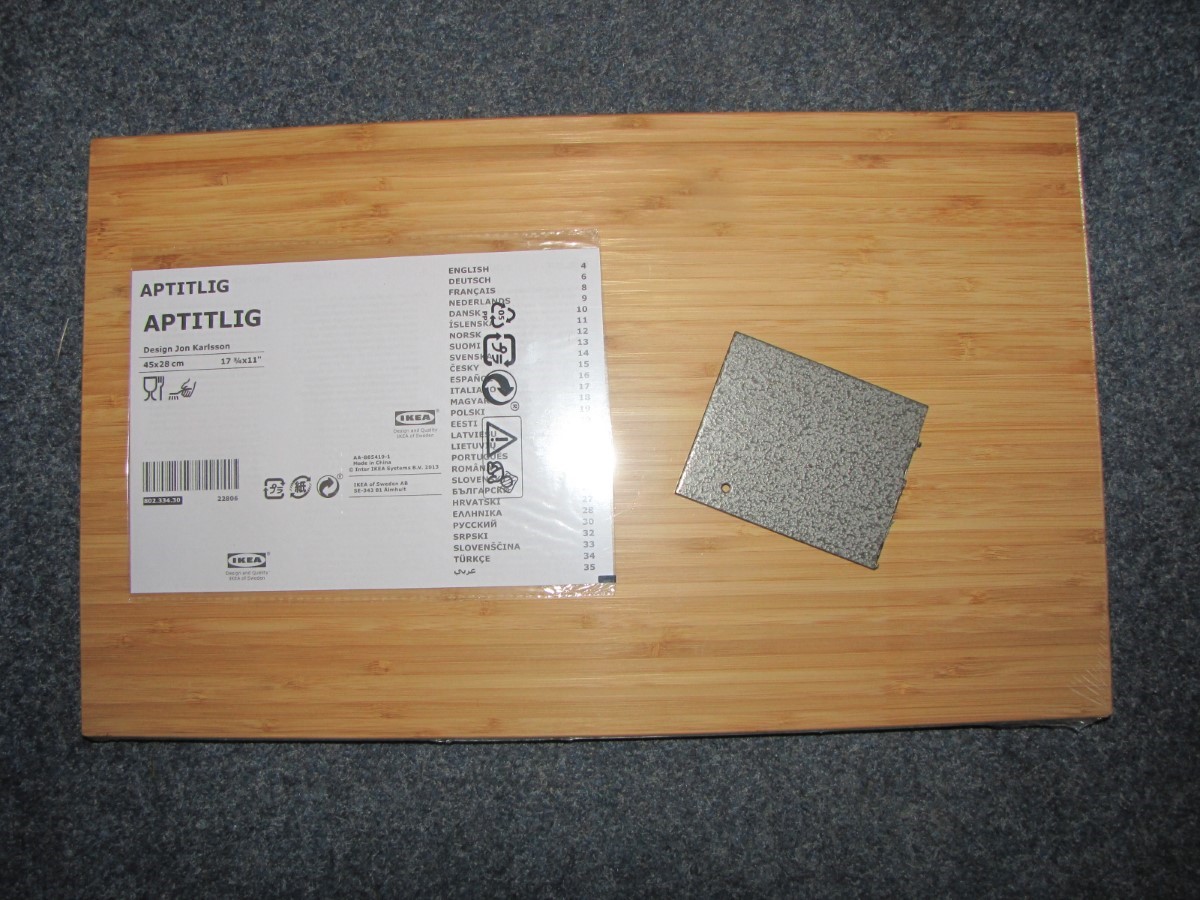
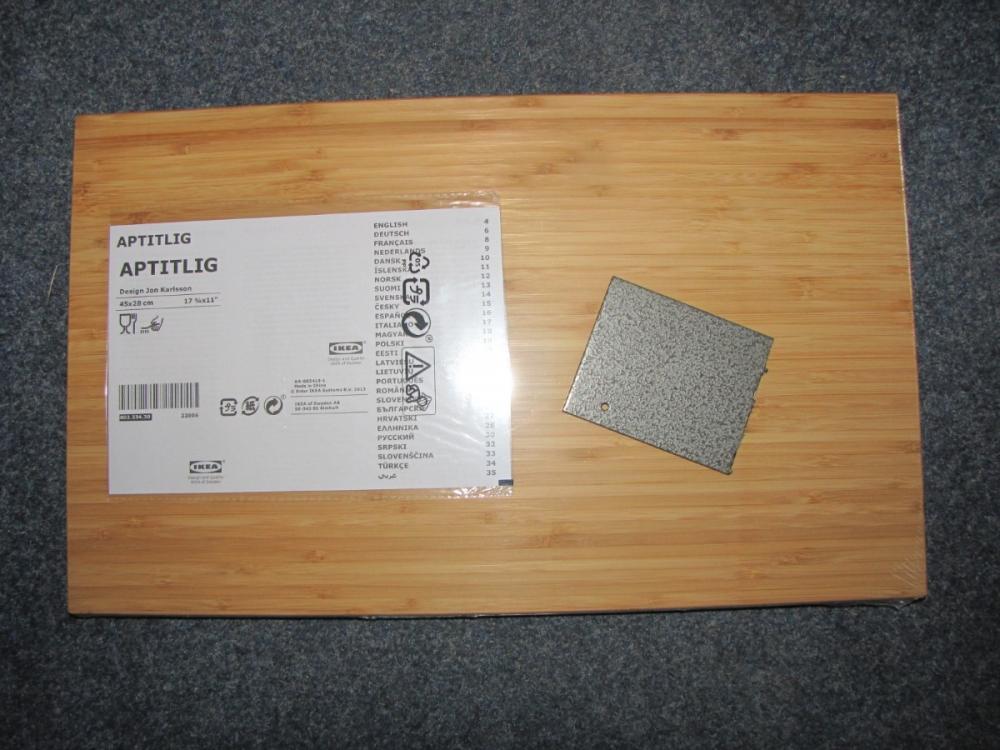
The cutting board idea originally came from UWE. The board has a nice surface and just costs 6€ on my side of the pond. https://www.ikea.com/de/de/catalog/products/80233430/ a little bit more in the US but still a nice piece of wood for the money https://www.ikea.com/us/en/catalog/products/80233430/
-
New guy looking at a 29k3 and 29k172 with treadel bases
Constabulary replied to d72hemi's topic in Leather Sewing Machines
If you have the chance upload some pictures here. It easier to evaluate machines when we can see them. It depends on the condition, the accessories and how the machines are set up (f.i. no stand, just a treadle stand or a motor stand) I do not know the market in the US (or the federal state you go back to) but I think it´s not worth bringing a 29K3 back home. The 29K172 is a different story - it is a large bobbin long arm patcher and it for sure is worth a lot more and afaik the spare parts of the 29K72 (series 29K71 - 29K73) will fit for the 29K172 machine. Meaning the spare parts situation is a lot better then for the almost 100 years old 29K3 with small bobbin and "not so good" parts situation. But if the 29K3 is in pristine condition with nice decals and uncle sam pays for moving it over the pond I´m sure you will find a buyer for it. Functional machines are for sure easier to sell than machines a potential buyer has to restore so it depends on the condition and if the machine is properly working or not. Check if all parts are present (compare with pictures you find on the web) and in best case test sew it - download manuals and test the machines. EDIT: Just noticed int eh topic the machines come with treadle base -
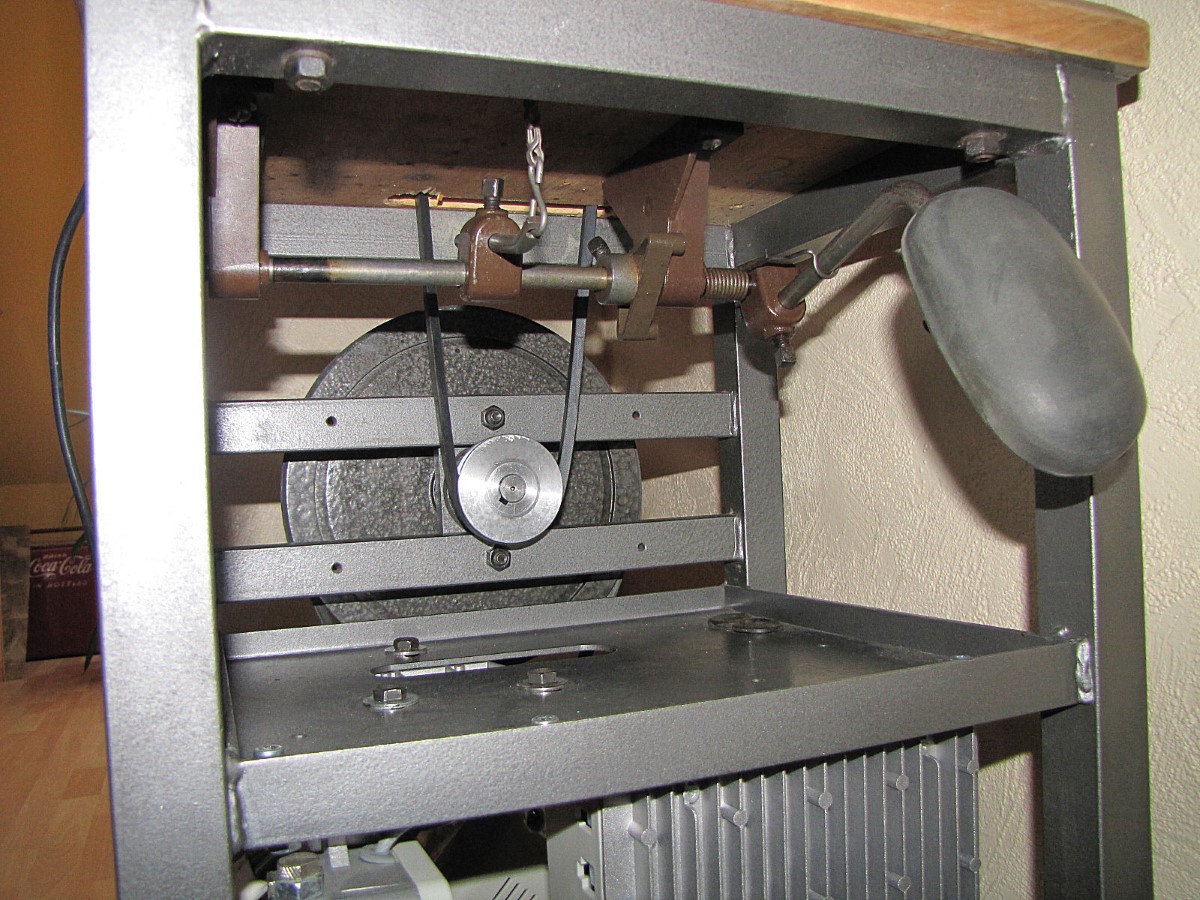
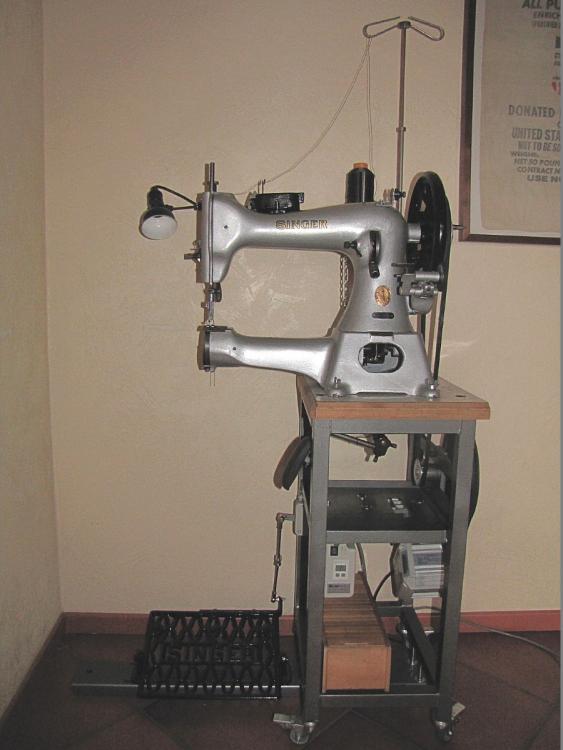
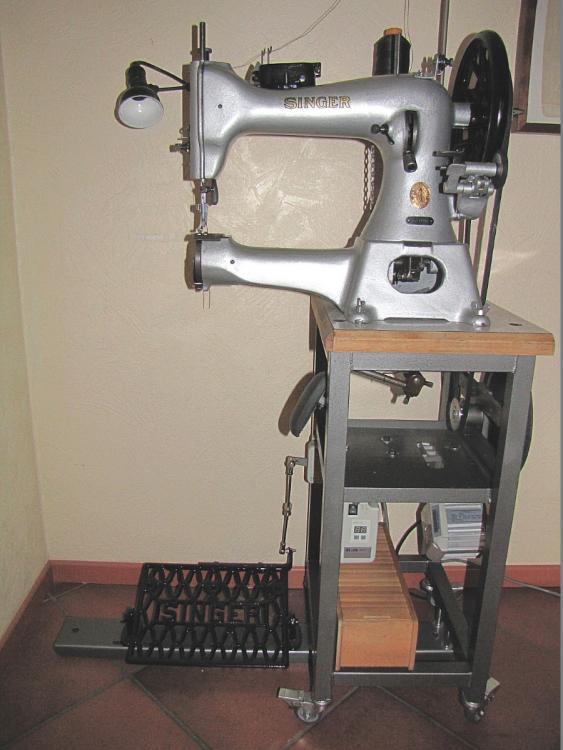
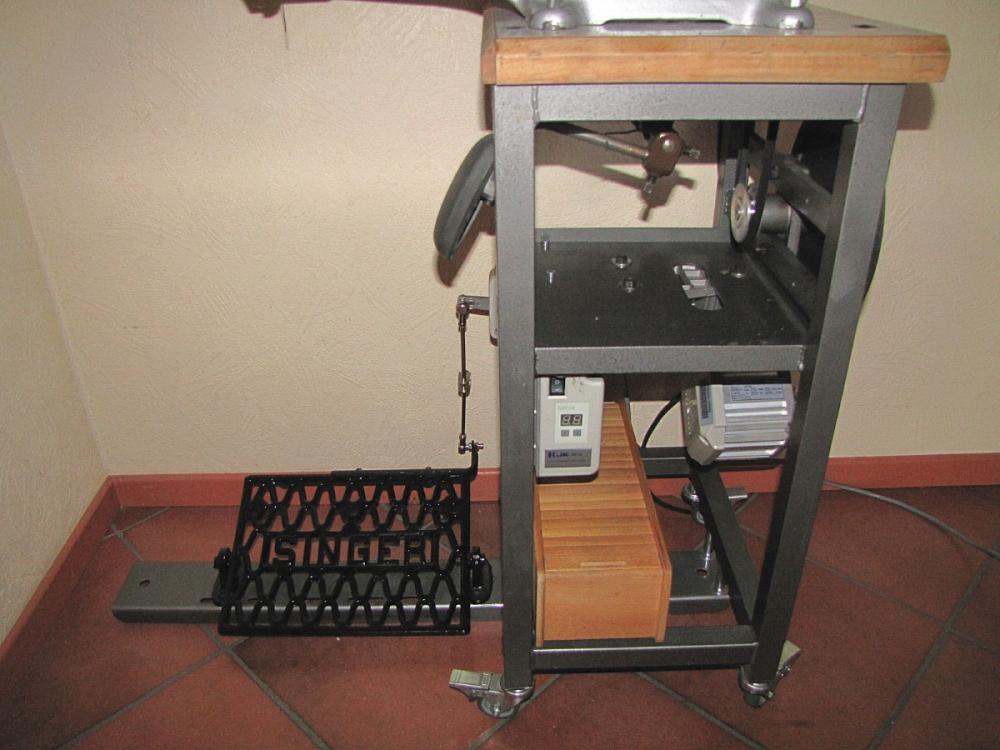
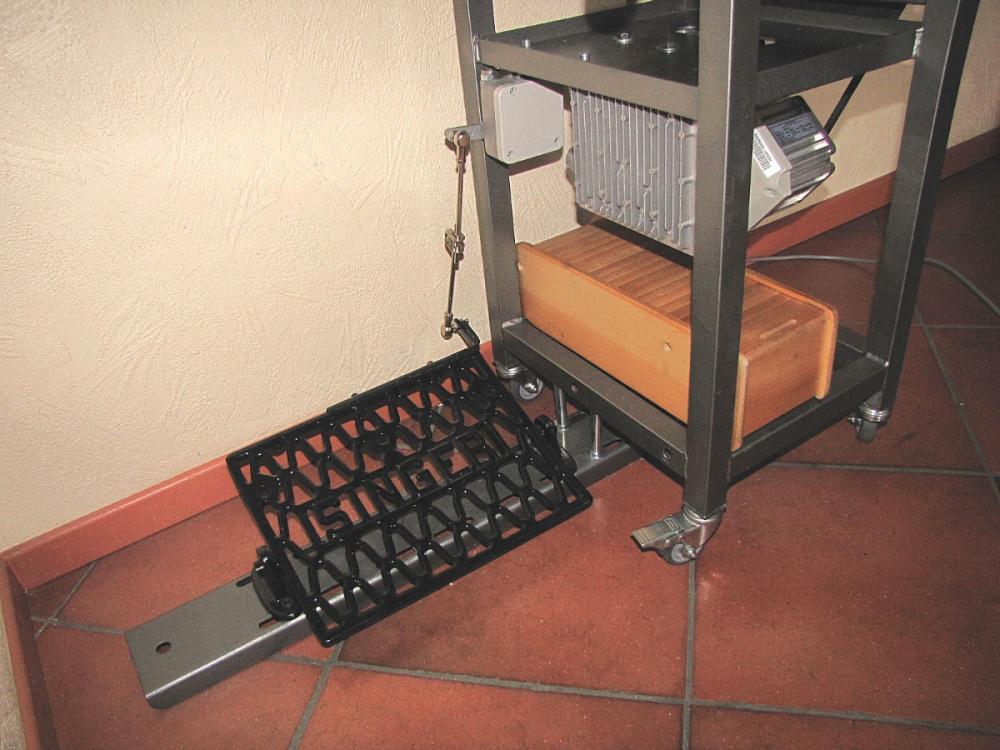
I have modified it - originally it had one heavy cast iron double pulley but it did not work with this machine setup.
-
Me too - you could sell it to me If you ever come across a 97 head only drop me a note - we both know that these things can be shipped over the pond
-
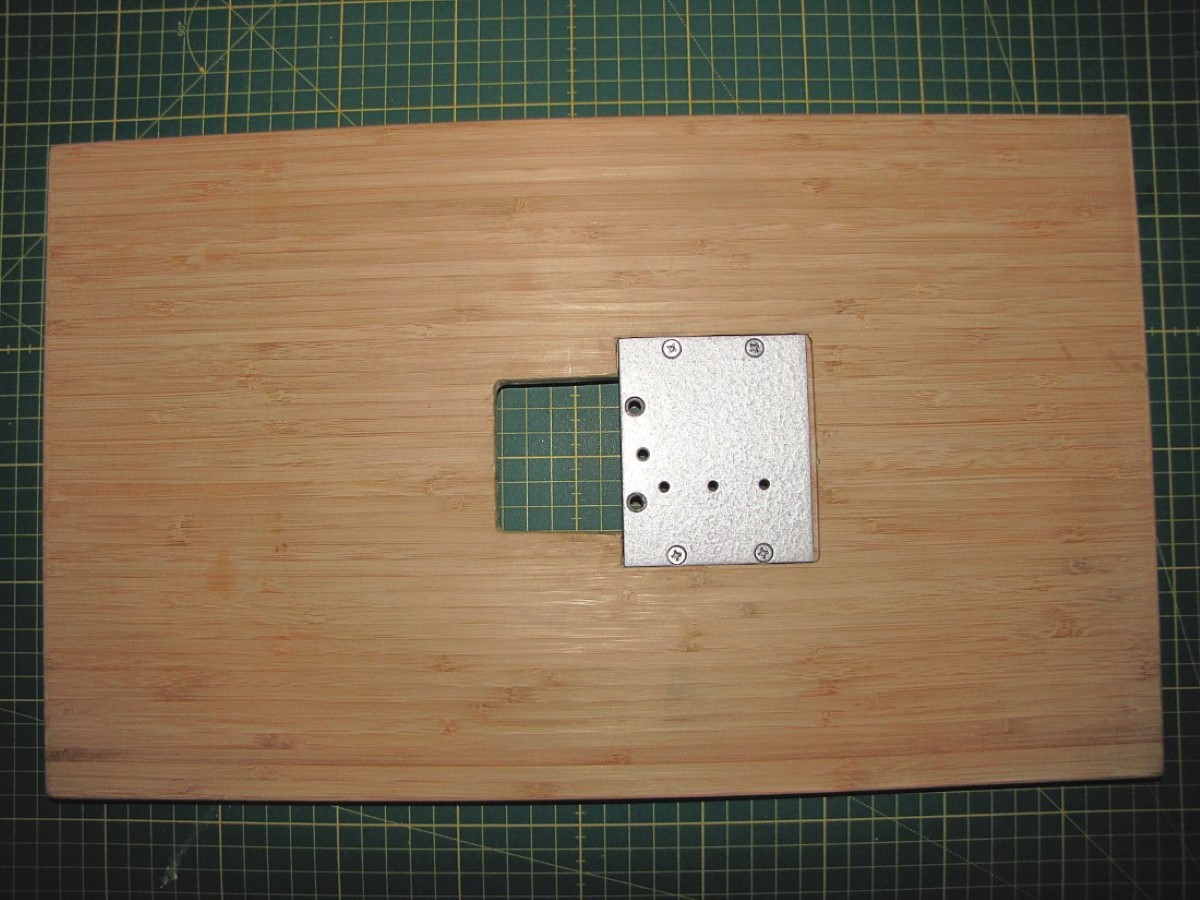
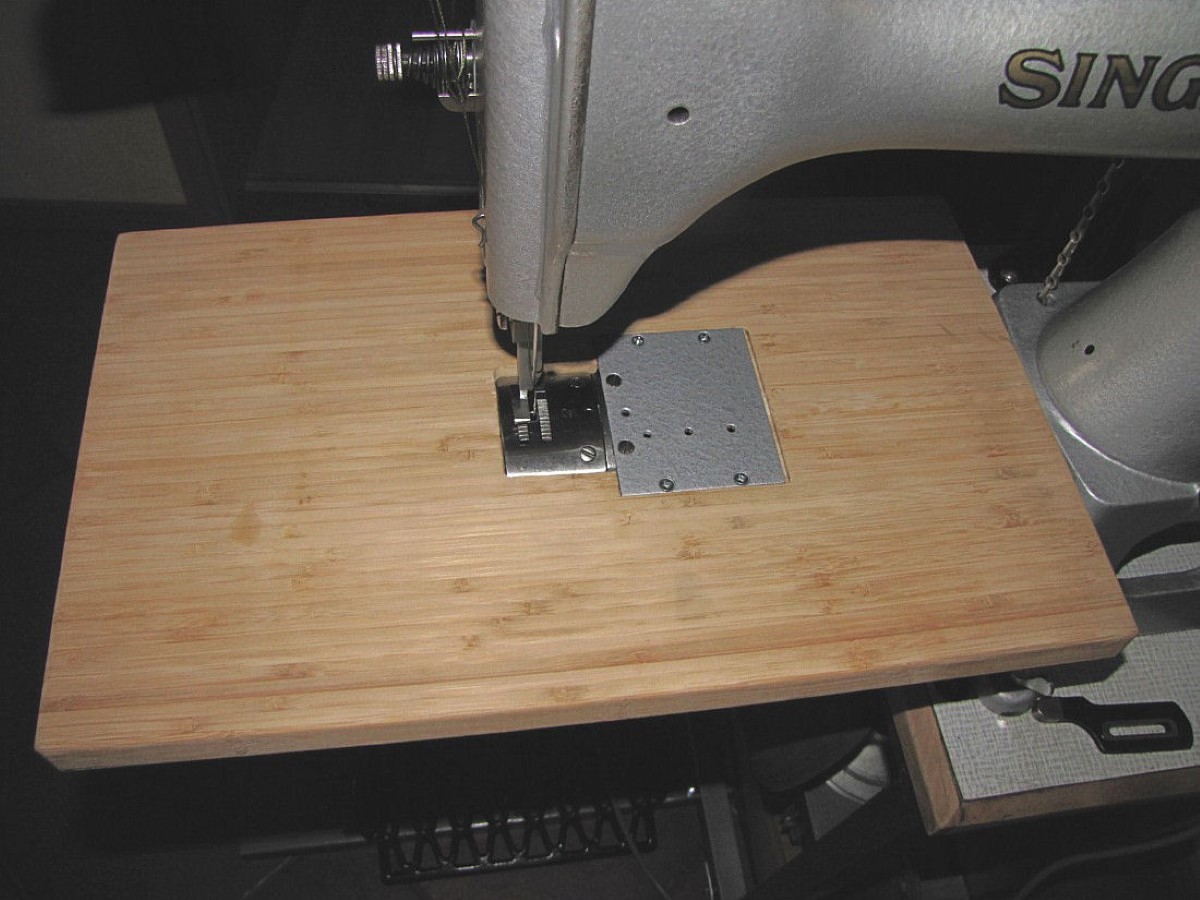
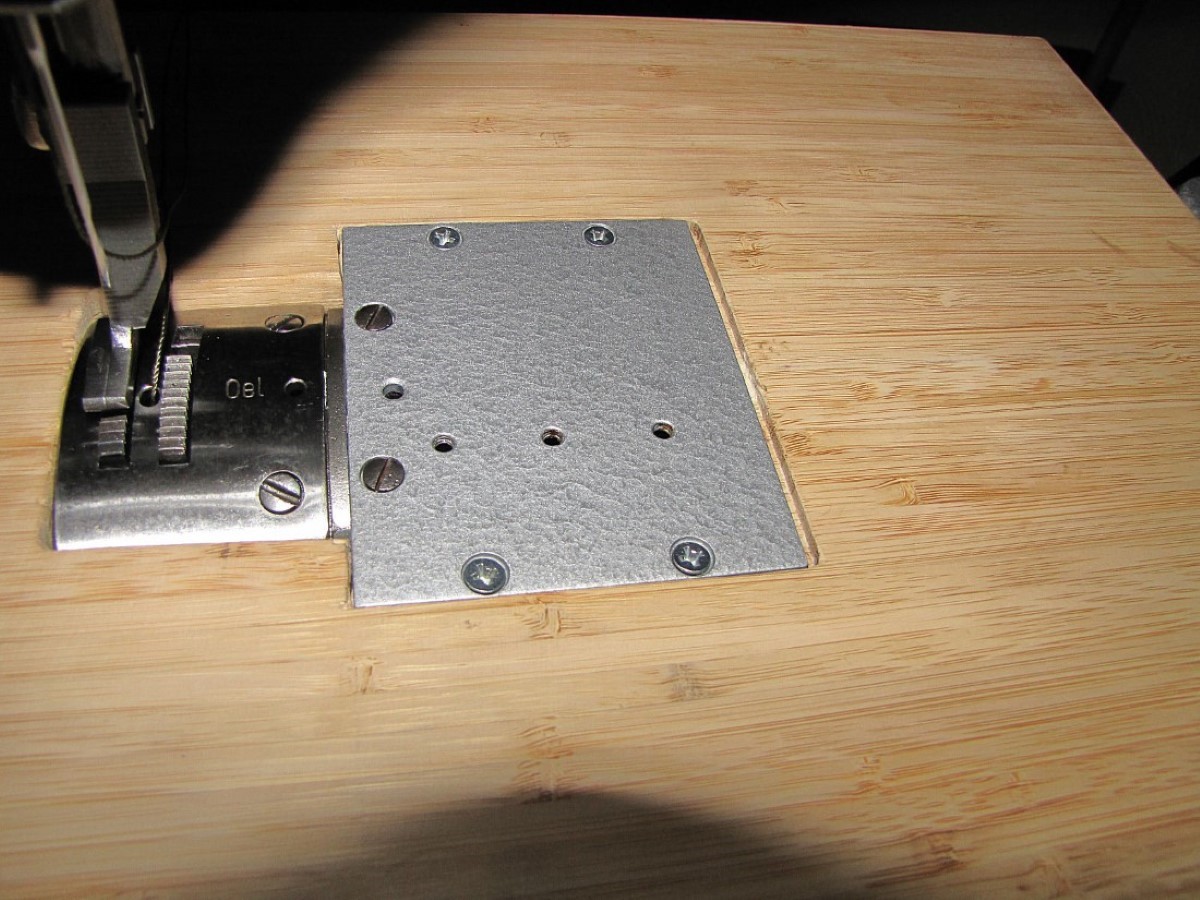
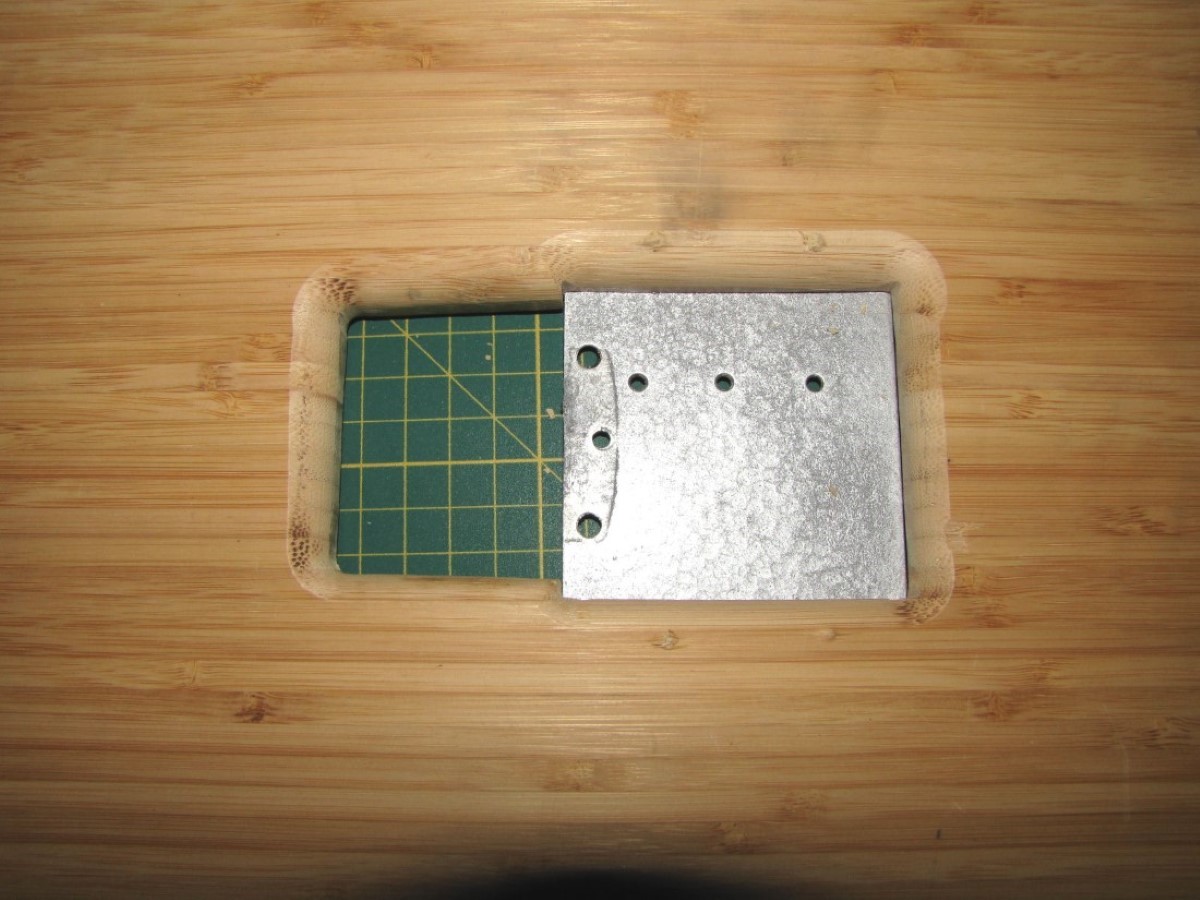
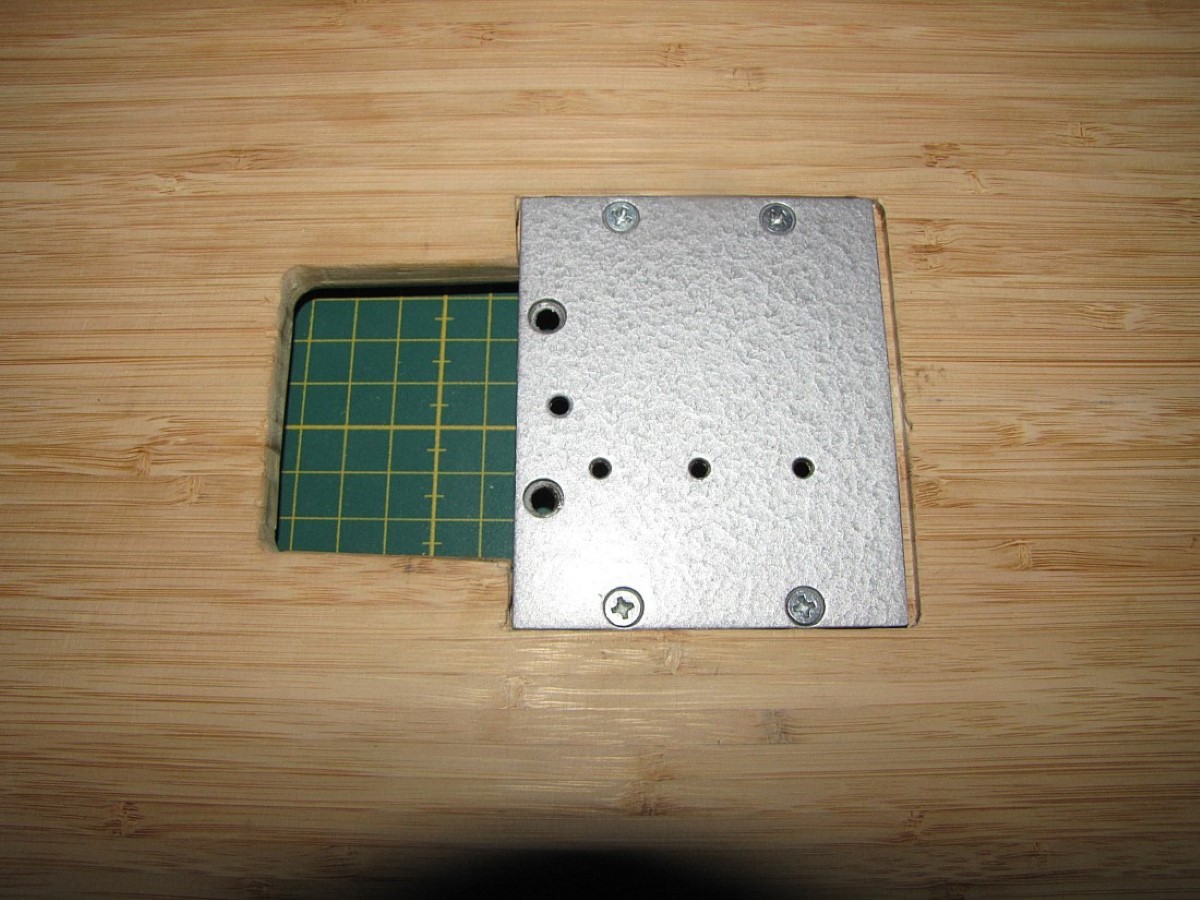
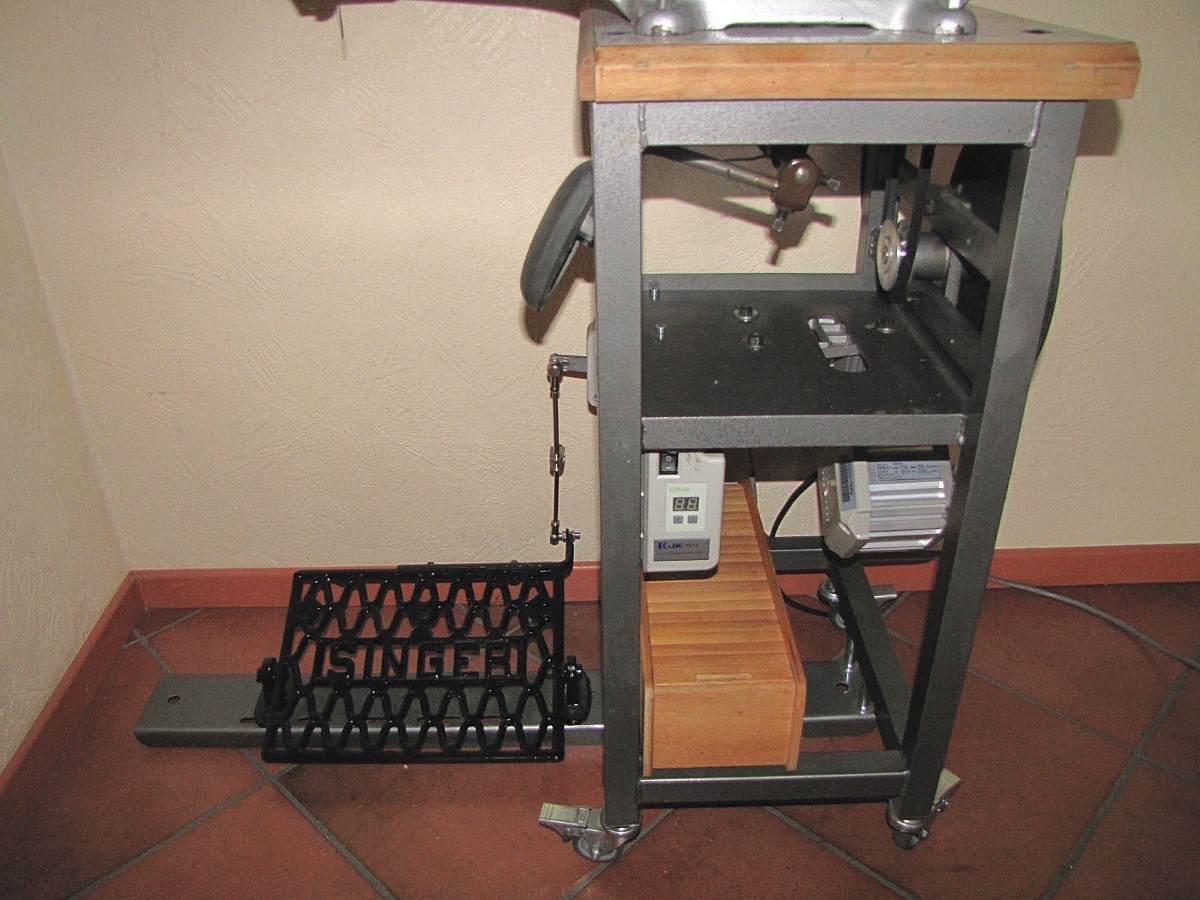
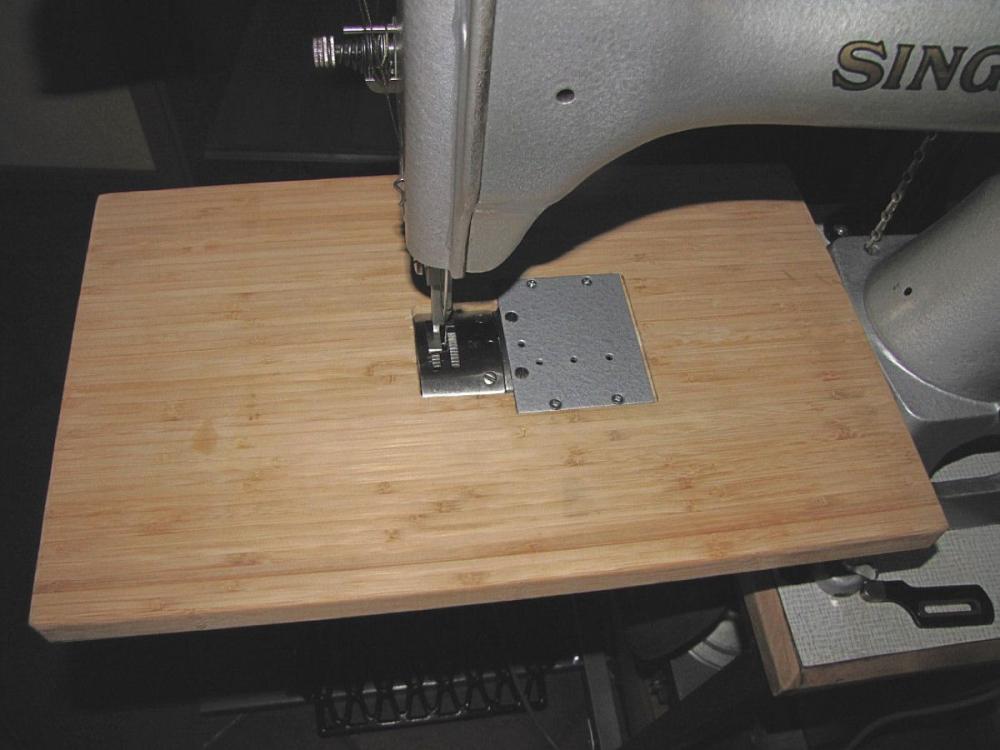
The flat bed attachment is made from a IKEA bamboo cutting board and a piece of scrap metal. Slit right of the metal plate is because I made an odd move with the router but I can live with it. I think I´ll fill it with some wood filler.
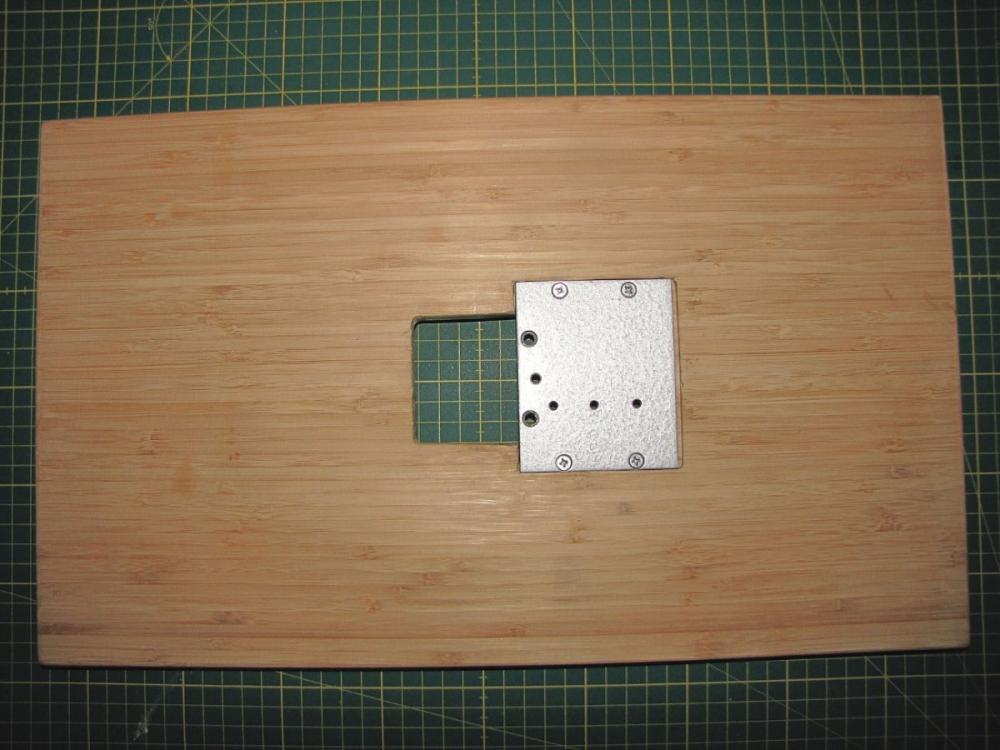
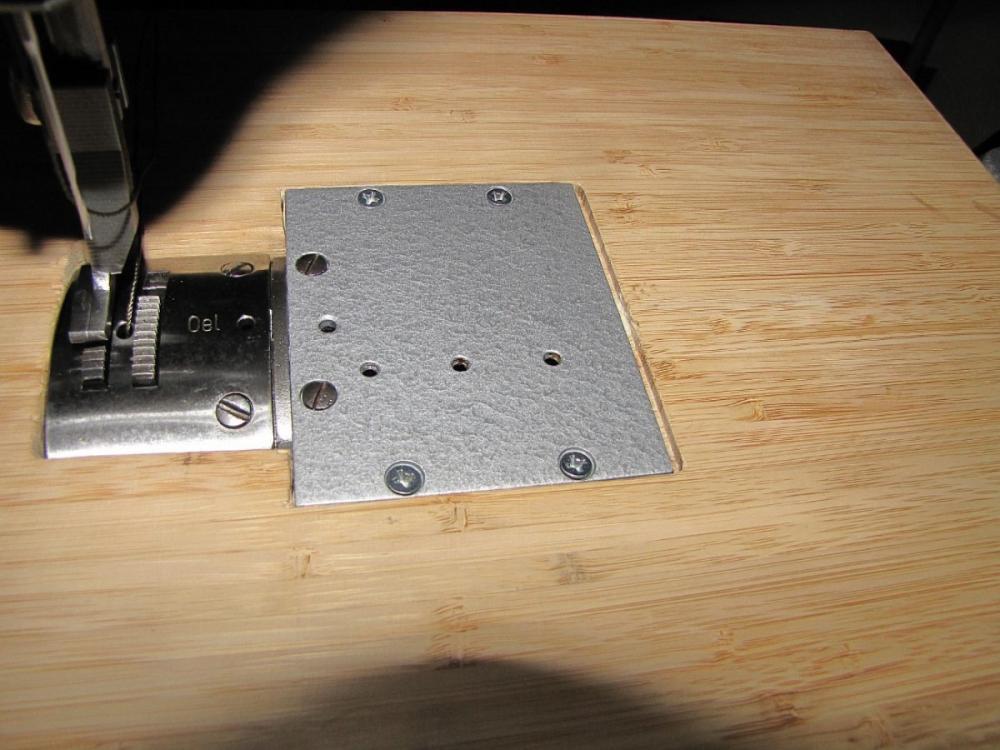
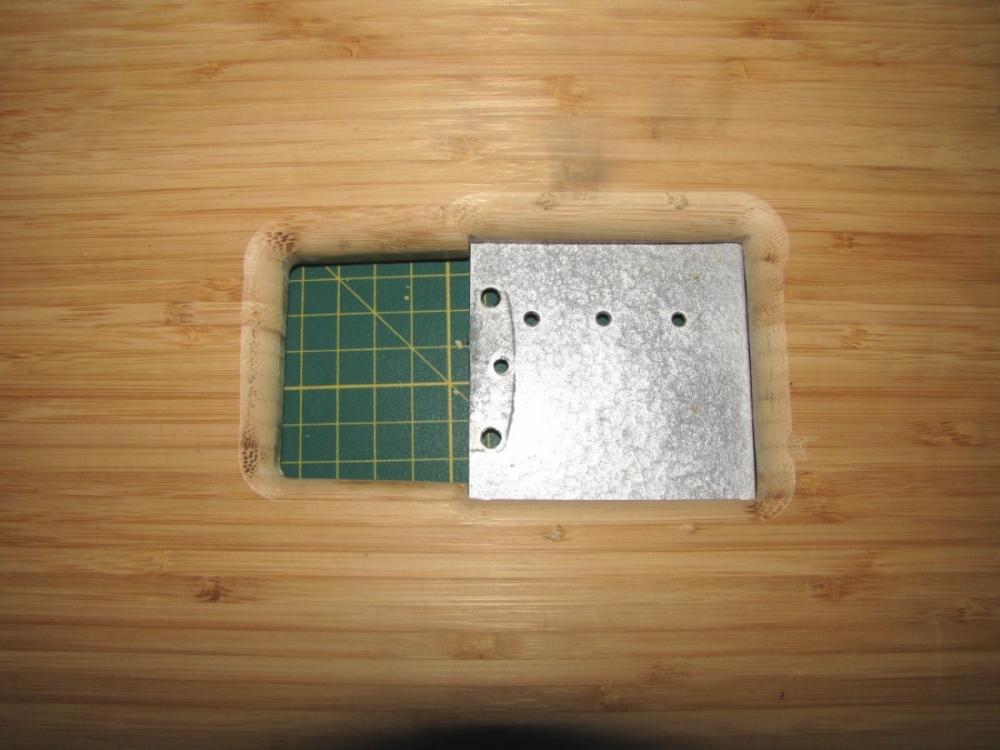
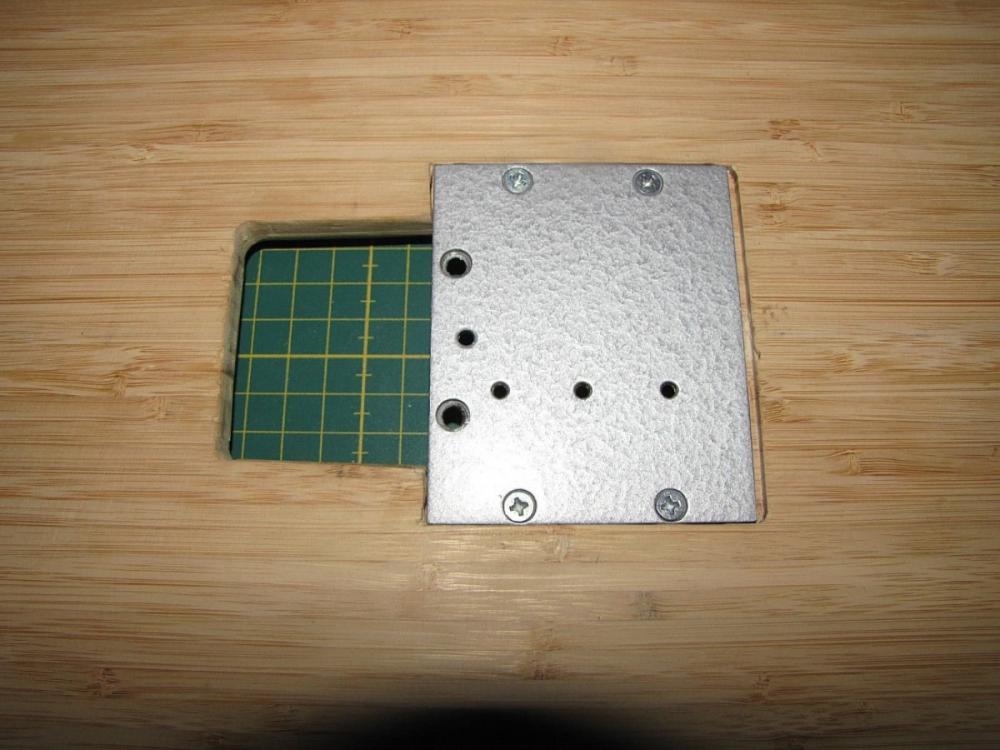
-
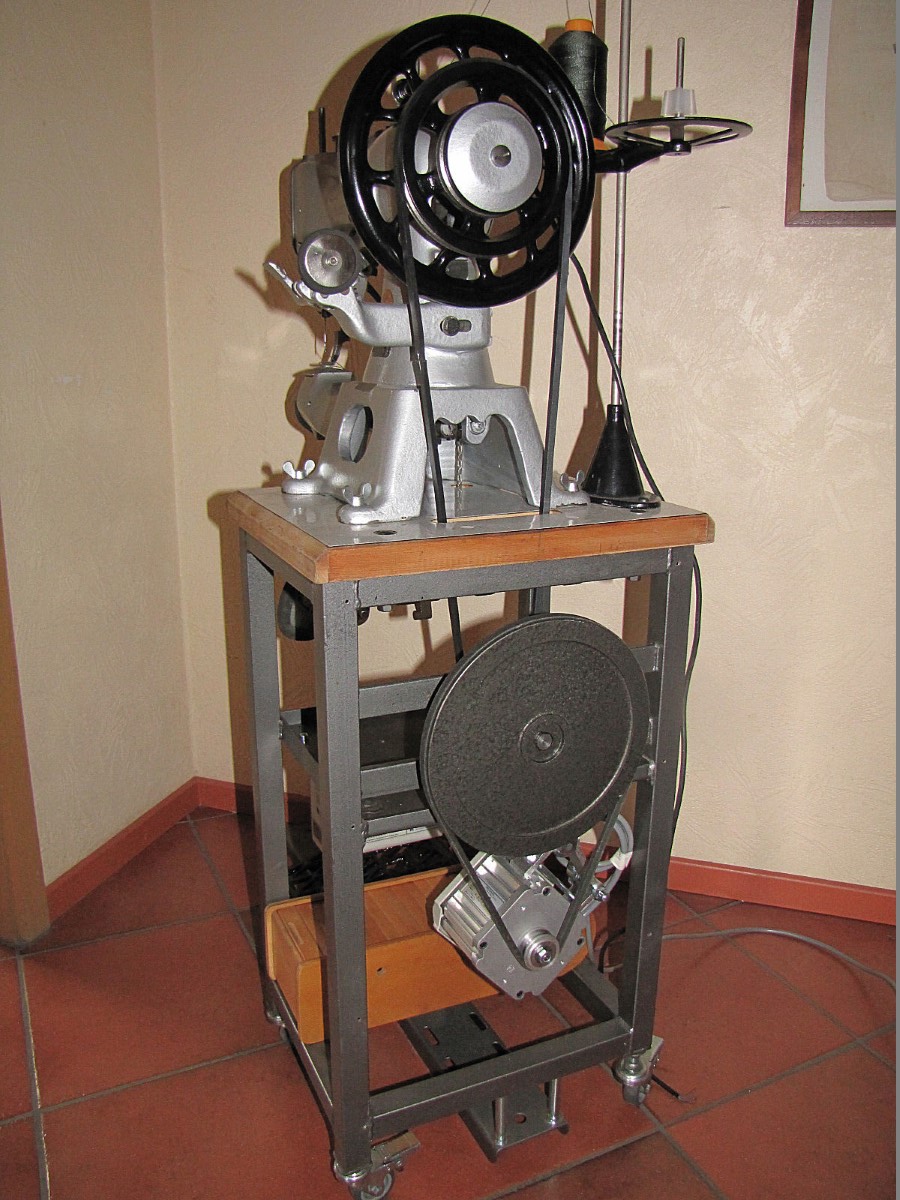
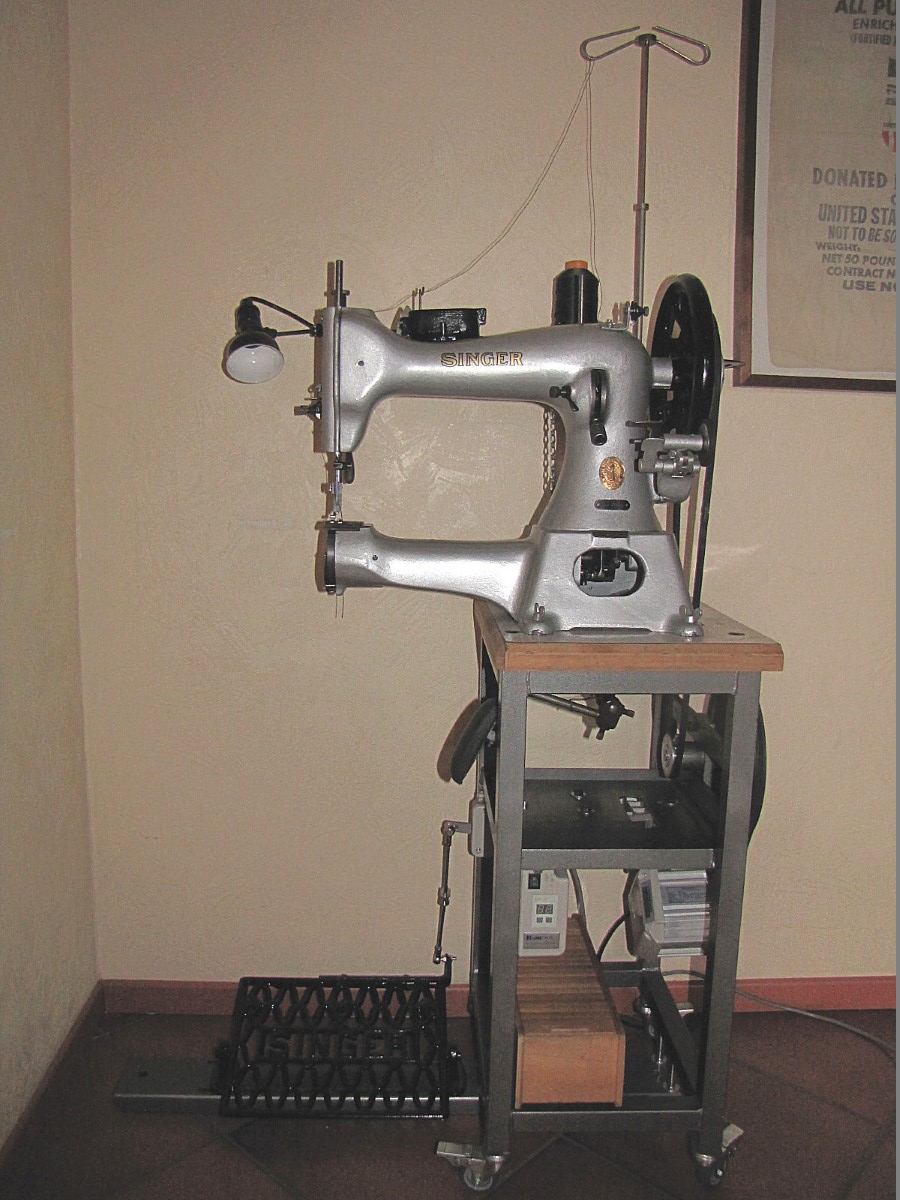
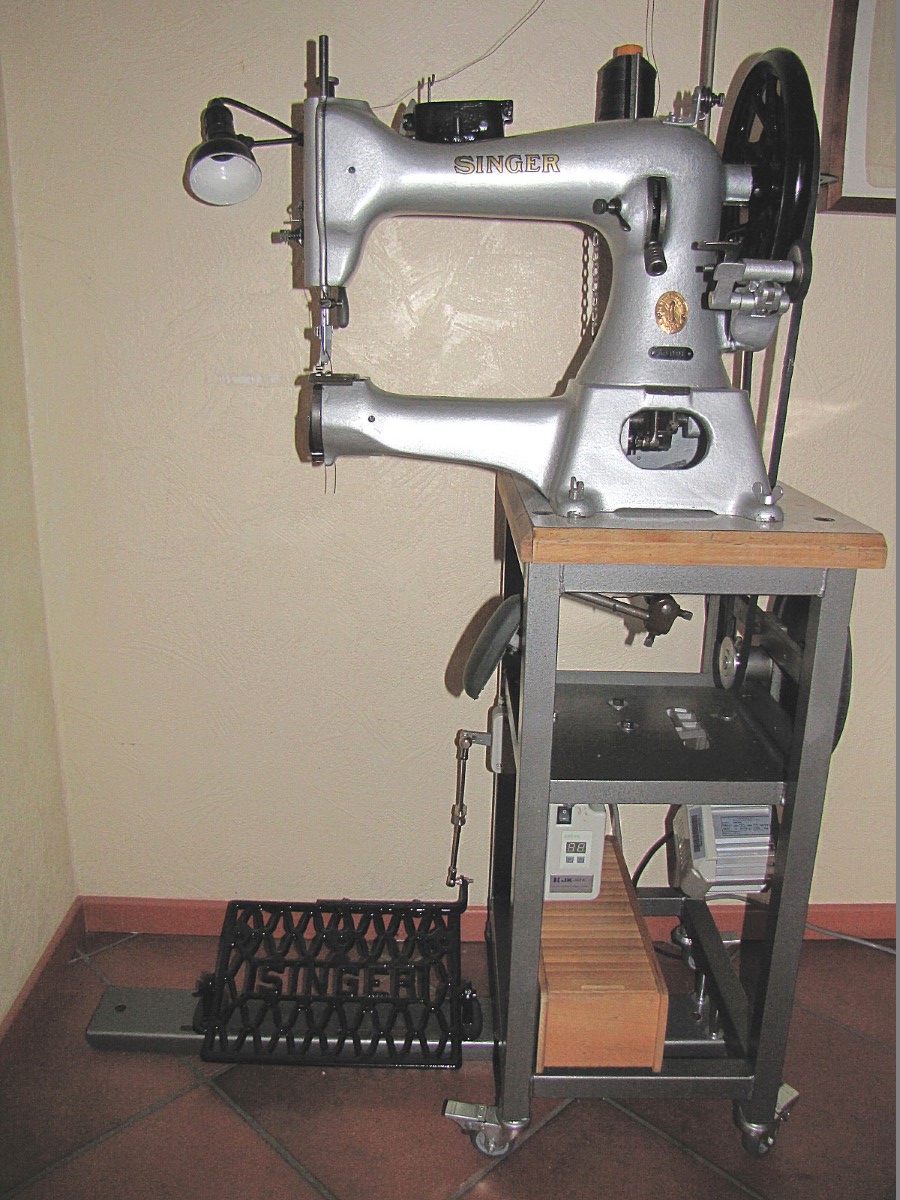
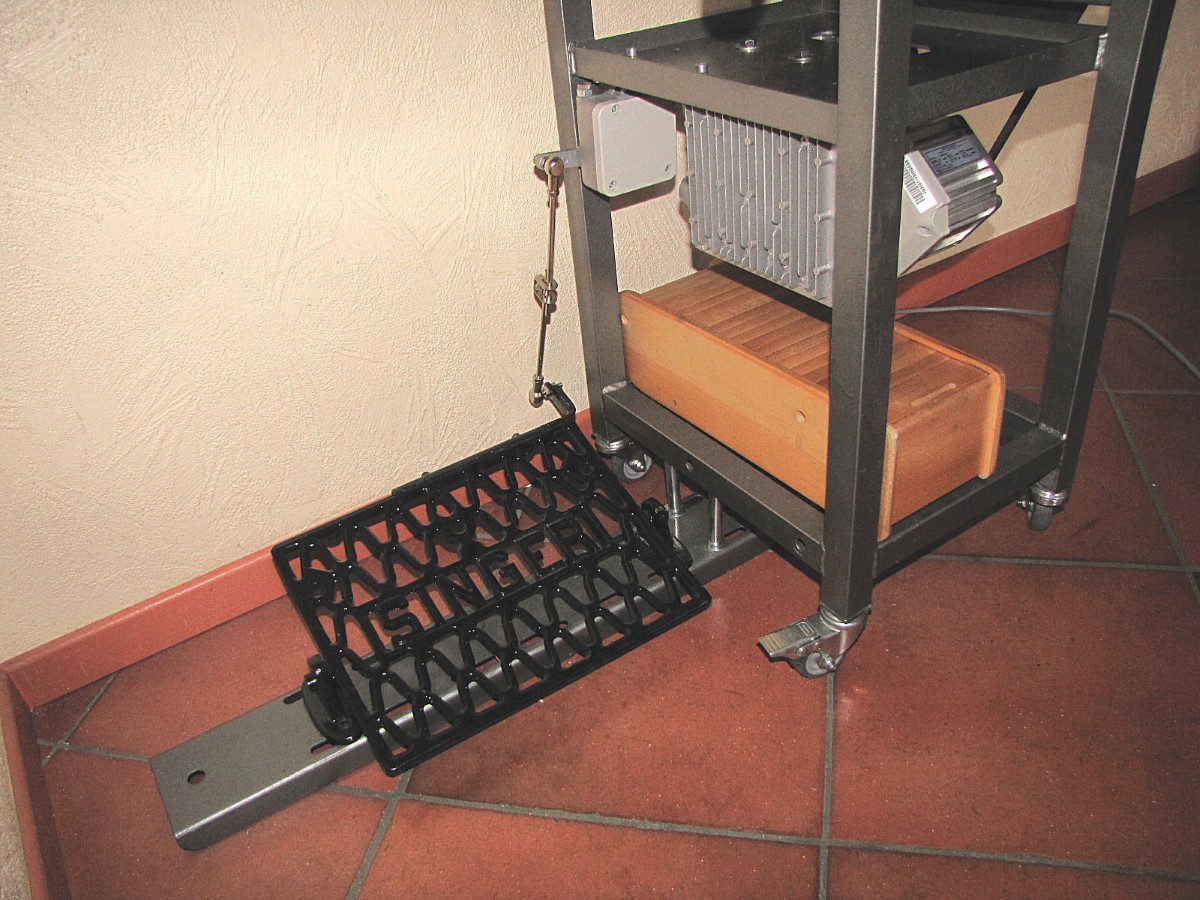
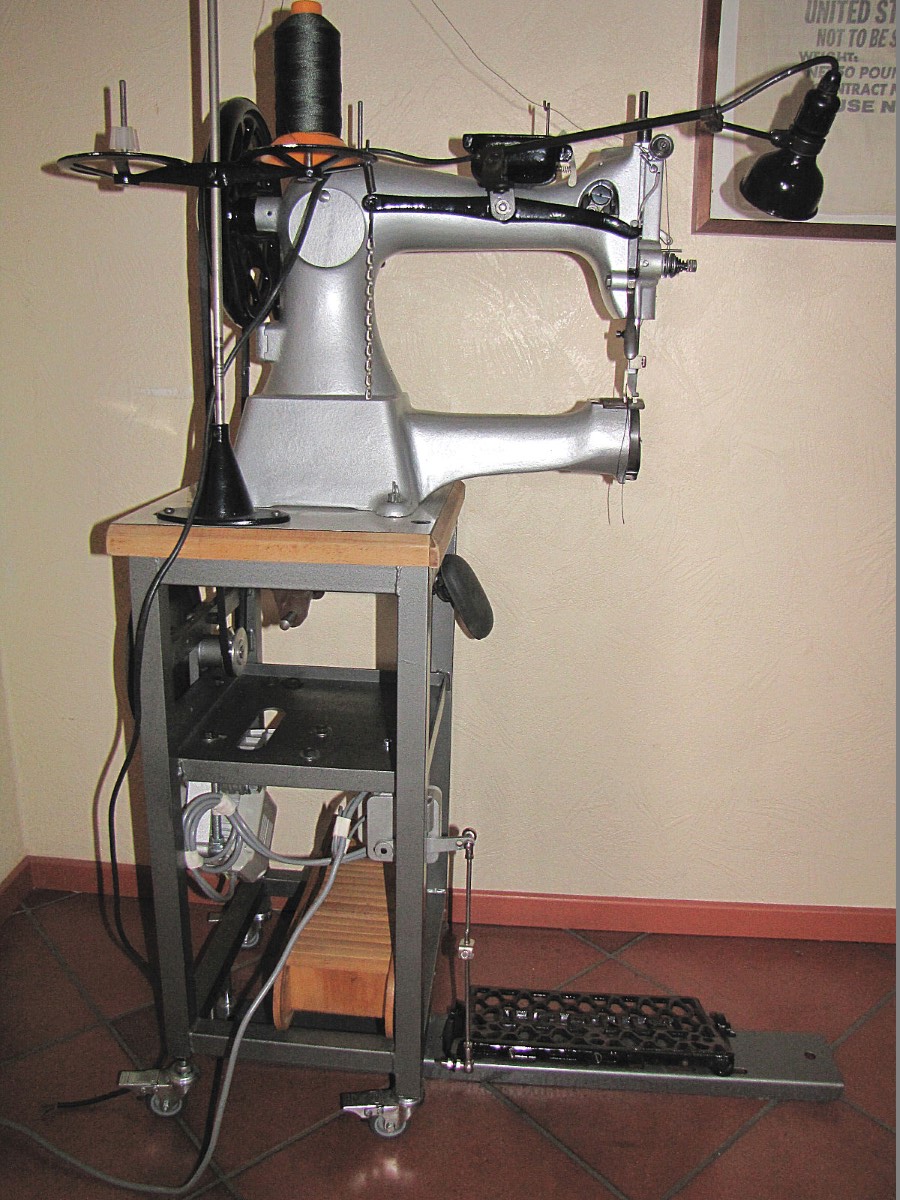
So after having the machine in a space saving manner mounted on the end of my 111G156 table I figured the idea is space saving but I needed the work space left of the machines so I needed another solution for my "Caliber .45". Some pictures of the new setup for the 45D91 Stand is from a patcher and I have added a "pedal mount" from a flat bed Singer stand. Pedal mount is nearly flush with the ground but since the stand is on brake casters I still can easily move it. Still have to do minor modifications (ball caster on the left end of the pedal mount and so on) but it´s almost done. I also made a flat bed attachment
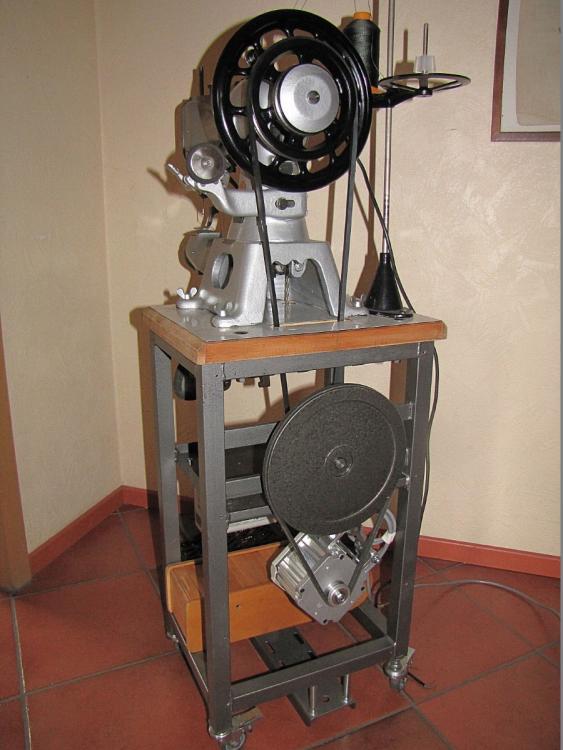
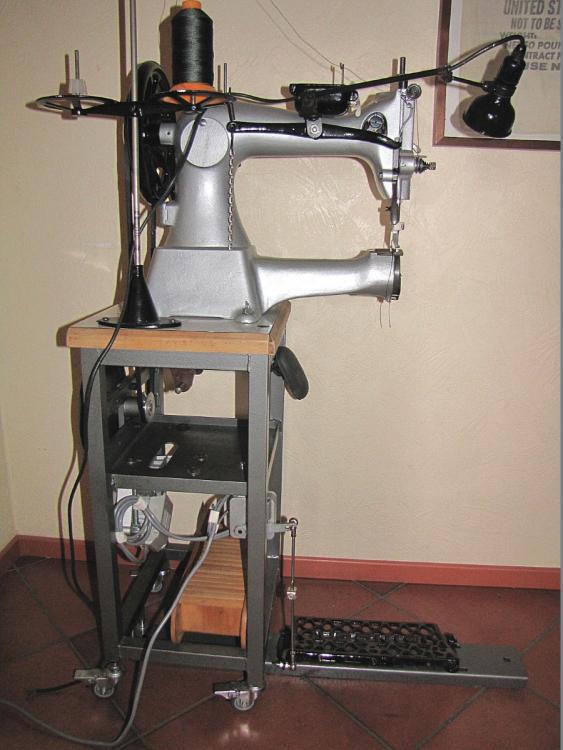
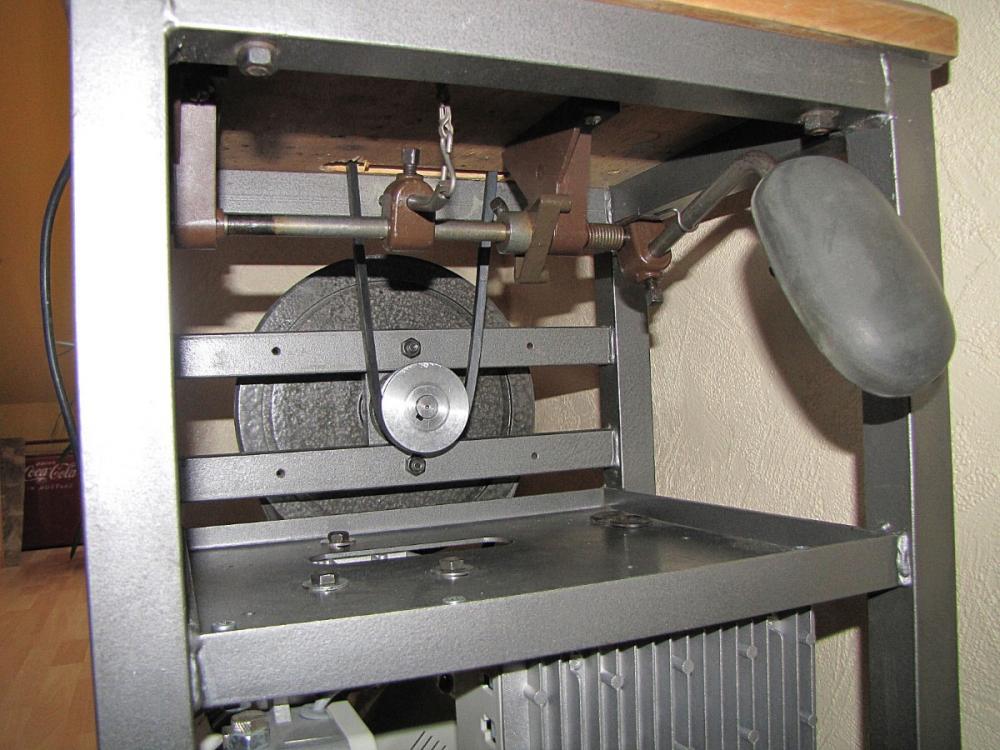
-
Are sewing machines worth the money
Constabulary replied to Horsewhishper's topic in Leather Sewing Machines
For sure everyone wants the best machine but often they are over the budget. Charging the credit card is easy but could cause other problems in the following weeks or month. You sometimes see people here who sell their expensive machines after a few month or so. Probably because of being short of money for too long cause hobby / business did not pay off, it was not the right hobby or just other things (or bills) took priority - lots of different stories. So why not staring with a used machine - I know you barely find the heavy 441 type machines used but why not starting with machines like the Singer 45K or other vintage machines heavy leather sewing machines? It for sure depends on the local market and often people have better access to new machines than to used machines but I would consider vintage machines at least as an option. These machines have been used for decades in all branches of the leather trade, they for sure do not have all the advantages of modern triple feed / unison feed machines (well, new machines have their issued too) but they are reliable and some of their "drawbacks" are often neglectable and depend on the product you want to sew. I don´t want to hold you back from buying new but used machines can be a good and affordable start into machine sewing. And I tell you - restoring AND using them later on is very satisfying. But restoring is not everyone's cup of tea. My 2 cents -
if you need a good new clutch motor check with College Sewing, they sell the remaining stock of 1/2 HP clutch motors for 28 GBP + tax and shipping but hey are 440V units. A friend installed one of these on his Adler 4 and he is happy with it. He runs it on 230V one phase with a capacitor. He could not find cheaper motors in Germany. I have tested it and I´m quite impressed how well the clutch works.
-
you can slow down any motorized sewing machine with one or another type of pulley speed reducers. How slow the machine will be depends on the pulley ratio you choose and the size of the motor pulley. Dialing down just the servo motor speed or just adding a smaller pulley is not always very satisfying. The combination of small motor pulley and ratio of the speed reducer pulleys is the key to a very slow and powerful motorized sewing machine. I have speed reducers on all my sewing machines - even the tape binder machine. IMHO servo motor + Speed reducer is the best combination for running a leather sewing machine - especially heavy ones. It for sure depends on what an individual prefers / on individual situation but I personally never ever would use a hand crank machine or treadle machine (tried it and hated it) when I have electric power. IMO - When you live in an area with proper infrastructure nothing beats the comfort of a motorized sewing machine. If you suffer on permanent blackouts (I don´t recall when we had the last BO - must have been years ago and was just for a few minutes) or you travel to shows with unknown infrastructure or do small repairs (as Singermania said) then a hand cracker could be useful. Don´t know what type of presser feet are available for the hand crankers but the availability of different presser feet and needle plates or other accessories for the 441 clone machines also would rule out the hand cranker (for me). A hand cracker is still a sewing machine and has nothing to do with "hand sewn" - JFTC "hand sewn" items is what you want to promote / sell. My 2 cents EDIT: regarding bobbin winder for hand crackers - I made an electric winder for my 45K - works for larger barrel type bobbins too.
-
AFAIK there is not "database" for Adler serial numbers. Post some pictures of your machine please.
-
Service & Repair manual Singer 29
Constabulary replied to chrisash's topic in Leather Sewing Machines
29K´s are the freakin easiest machines to repair / restore. You find almost everything you need here in the forum (regarding technical information). Hundreds of folks have restored them. It just depends on what subclass you have - and there have been several from 29K1 to 29K173. Some parts are still available but depends on the subclass you have. Most parts for the earlier subclasses are obsolete / out of stock for decades already but for the later subclasses you can get after market parts. A few parts even fit for all 29K models or you can modify them to fit. However - if you get a response I´m sure a lot of people would be very interested in what you get. -
Dürkopp 241 / 239 are using the same feet as the Singer 111 it also has the same hook saddle, tension unit and a few other bits are interchangeable too. You also can use Singer 111 hooks in this machine. Advantage of the Dürkopp 241 is that is has reverse. If you are not Singer crazy (as me) you can´t go wrong with the 241 if it is in good condition. Afaik the 241 has not safety clutch - not sure is your 111 has one. The timing procedure is the same on both machines.
-
sewing machine Trouble changing stitch length on Singer 29K58
Constabulary replied to iknowit101's topic in Sewing Leather
Check If the tip of the bell crank lever is worn - this has a biggest effect on the stitch length. Also make sure the stitch length adjuster is correctly assembled. The gib has a notch this notch has to be upwards and the squared piece also has a notch and the notch here has to be downwards. if you have one or both parts the other way around the stitch may be shorter. Just suggestions w/o having seen your machine. -
flip down edge guige - I´m sure the Cowboy dealer have em
-
Uuuuuuuuuh - kind of a holy grale! Send your mom back to the archive - there must be more -- mooore --- moooooooooore Thanks for sharing this!!!! The ISMACS guys for sure would love to have this information too.
-
Help IDing this singer industrial model
Constabulary replied to telcelsmx's topic in Leather Sewing Machines
Singer 107w I would say. -
Sewing canvas
Constabulary replied to T Moore Medicine Hat Saddlery's topic in Leather Sewing Machines
agree for large scale tarps - since he said bedroll I assumed sizes of ground sheets for outdoor / camping or the like