
Constabulary
-
Posts
5,806 -
Joined
-
Last visited
Content Type
Profiles
Forums
Events
Blogs
Gallery
Store
Everything posted by Constabulary
-
I also have a 108w20 - you can download parts list and user manual in the 1st post here:
-
this should not be a a serious problem and from my experience rather easy to solve. I don´t see why it should not work. "Far east" tension units are not as good as the OEM ones but you usually can make em work (maybe with exceptions). If i got it right the inner pin #11 is coming out a bit when you lift the foot lever, right? I would either try to make one tension unit out of two - parts should be interchangeable or put in a longer inner pin (#11) or a longer small "inside stud pin" (#25) or bend the silver "release plate" (#13) on the backside until it reaches the long inner pin (#11) or a combination of the mentioned options. Can´t be too difficult. This at least would be my way.
-
https://www.college-sewing.co.uk/418j-spring-stud-singer-29k.html Below stud is NN105H instead of NN105J but I don´t think it makes a diffrence https://www.college-sewing.co.uk/nn105h-113105-stud-nut-singer-29k.html Cannot find the two number but I think its the thread take up lever adjuster as it is missing in your picture https://www.college-sewing.co.uk/82166-thread-take-up-adj-assy-singer-29k.html If you figure your stitch length is rather short I´d order a Bell Crank Lever too. https://www.college-sewing.co.uk/82167-feed-motion-bell-crank-lever-singer-29k-412818.html Pretty sure you can get the parts maybe from Toledo Sewing Machines or Keystone Sewing or other industrial sewing machine dealers in the US.
-
Since you have another 30-70 I would try the hook from the other machine and see if it makes a difference. Well thats something we cannot solve online. I would apply heat and / or penetrating oil.
-
some pictures may be helpful
-
The 29K58 is very close to the 29K71 which is one of the latest models in the 29K series. Only differences I recall is the spring for the thread take up lever is attached with a plain screw whereas the 29K71 has a thumb nut and the 29K58 may come either with the new or old style thread take up lever regulator (I have seen both on a 29K58). Some 29K58 only have the hand wheel on the right end but I also have seen them with a front wheel (front wheel drive requires extra parts like gears, hub, shaft and so forth). However machine could have been upgraded with parts over the years - you never know. The front wheel machines often cost a bit more because they are a bit more flexible to use - depends on how you want to operate the machine. Confusing - yes it is! 29K´s came in a lot of variants / subclasses. Basically you can say the higher the subclass number the better the parts situation. The price depends on how badly you need a machine like this and if it suits your needs as well as the condition, the accessories it comes with (treadle stand or motor driven with industrial table, extra hooks, spare parts...) and of course the local market so I agree with kgg. EDIT: And most important - the stitch length matters. The more worn a 29K machine is the shorter becomes the stitch length. Even when set to the longest stitch it sometimes can be just ~ 3mm or even less. Usually the max. stitch length should range between 4.5 to 5 mm Stitch length when in technical good / very good condition. 5mm is rare on a used machine but can be achieved when you replace parts and machines is properly adjusted.
-

Singer 111w155 or Singer 111w154
Constabulary replied to Don Ayres's topic in Leather Sewing Machines
Seems to be from 1951. This chart originally came from Keystone Sewing Machine Co. if I recall correctly.jpg.03e0651860bde2166b792ed40f917442.jpg)
-
Dürkopp 18 Patcher Restoration - long journey...
Constabulary replied to Constabulary's topic in Leather Sewing Machines
I have to revise this - seems some Class 17 models actually came with this type of needle plate. I have learned something new! The class 17 came in some variants as it seems (probably even beside the sub classes). Unfortunately finding information on these models quite a challenge. -
lots of dead ends in God's evolution - some creatures even became leaders of certain states. Life can be so easy - isn´t that rather smart? But I understand your point - I for sure have a different perception cause I live on the other end of the world and do not have them around all day. We are "suffering" from other things here - it always depends on the location and perception. But mother nature seems to have the general view BTT
-
Have you thought about keeping just the machines head + accessories and buy new stands and motors in Canada? That would save weight and space and you still have the machines you are used to. If the 29K´s are old clunkers like 29K4 I would leave then in the UK if they are 29K60 - 29K72 (or something in between) I would keep them I guess. Techsew patchers are 29K7x clones like most of the Chinese patchers - I think they are as good / bad as any other Chinese 29K clone.
-
safe a Koala
-
Vintage pfaff 335G-h3 stitching problems
Constabulary replied to tibee's topic in Leather Sewing Machines
There is an arm cover plate which covers the feed dog driving rod or what ever it is called - the thing that moves back and forth and the feed dog is attached to. this is OEM for the 335 https://www.college-sewing.co.uk/91-014643-91-plate-pfaff-335 Or after market: https://www.ebay.de/itm/113842325012 or as a complete set: https://www.ebay.de/itm/113979423902 But check your prats list first, not sure about subclasses but I´m pretty confident that they will fit. -
Dürkopp 18 Patcher Restoration - long journey...
Constabulary replied to Constabulary's topic in Leather Sewing Machines
You have a Dürkopp Class 17 with a needle plate that most likely comes from a Singer 29K - Interesting modification! But from the pictures I cannot tell the subclass, But I think it is a small or medium size hook. I have no source for the bobbin winder or other parts - maybe LW Member SHOEPATCHER has something. I´m sure he will jump in here soon. -
Allbrook & Hashfield needles
Constabulary replied to John at Byson's topic in Leather Sewing Machines
Not sure how many different needles systems A & H had but these one took me 30 seconds to find: https://www.college-sewing.co.uk/allbrook-hashfield-pack-of-10-needles-size-25b-45.html https://www.college-sewing.co.uk/allbrook-hashfield-pack-of-10-needles-size-16b-80.html https://www.college-sewing.co.uk/allbrook-hashfield-pack-of-10-needles-size-14b-85.html -
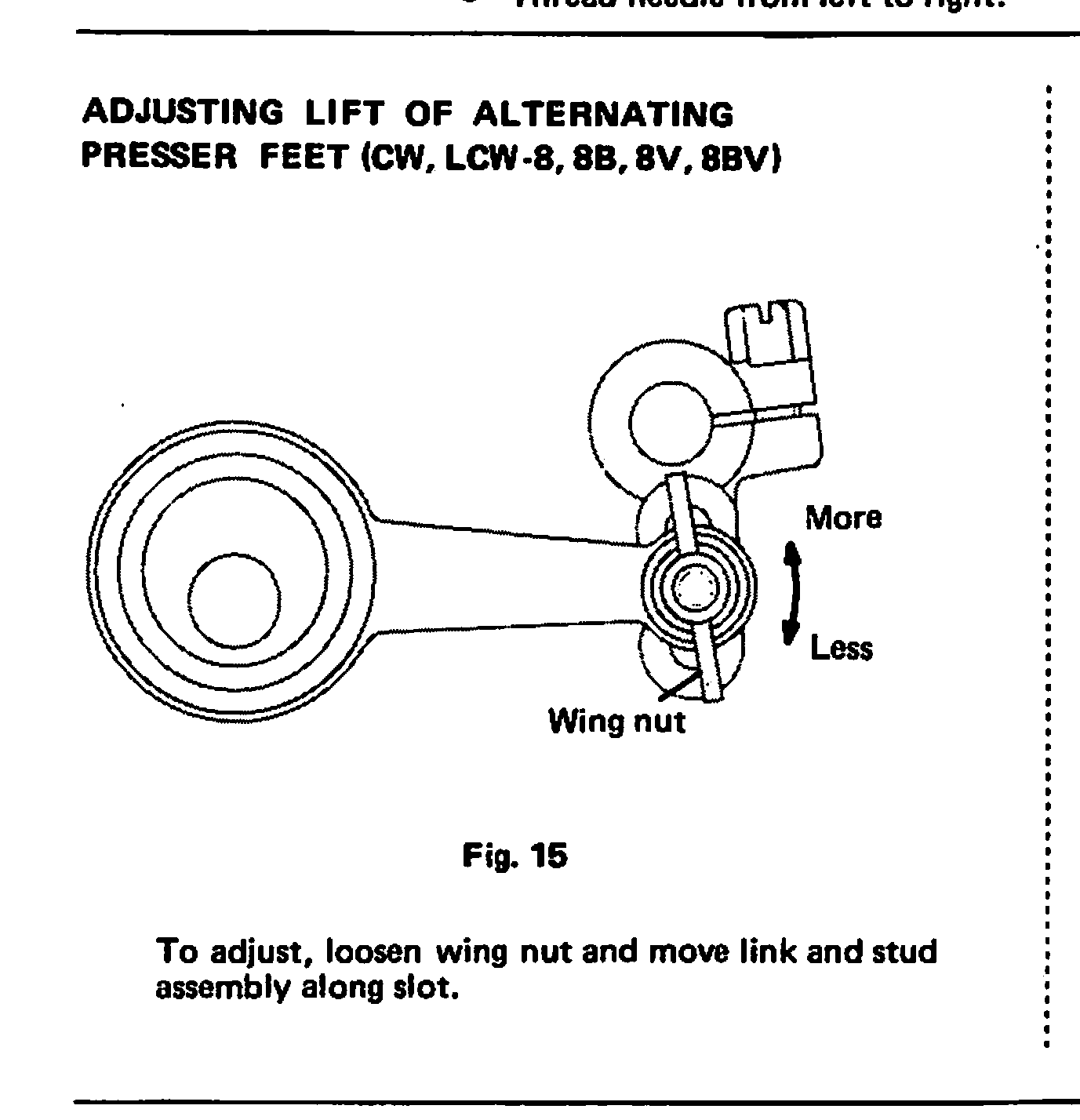
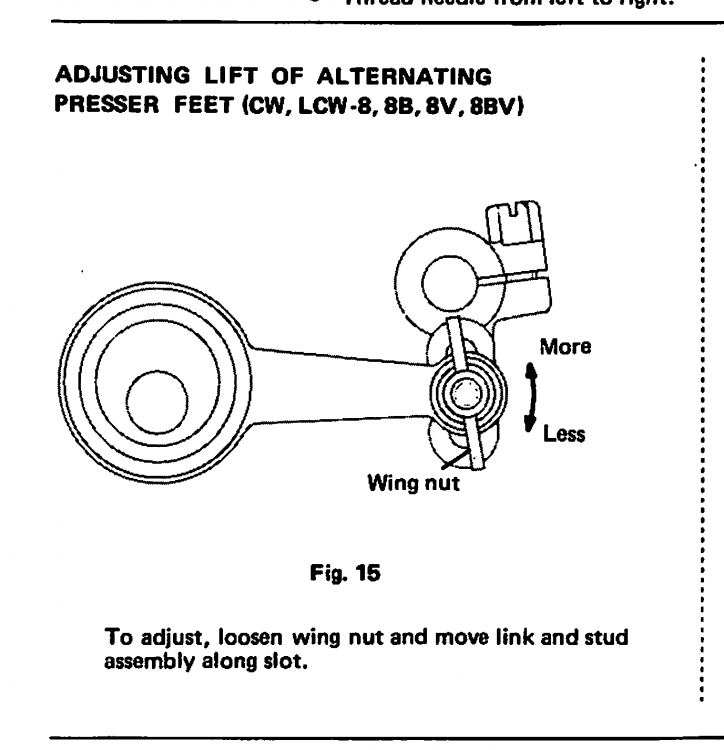
Good Lord - that does not sound healthy at all. I think the machine needs an oiling. What machines brand & model is this? With increasing foot lift I mean more foot lift while sewing (or should I say foot stroke?) - you can adjust this on a cam on the backside of the machine (at most models) - I guess you have a manual for your machine. It should be mentioned in it. EDIT: Like this - its from a Seiko manual EDIT II: inner foot seems to have more lift / stroke than the outer foot. Both should lift equally.
-
The pictures in the Seiko SK-8 Manual in the above linked thread are a lot clearer than in the Singer 132K Manual. I link it here again: https://leatherworker.net/forum/applications/core/interface/file/attachment.php?id=136658
-
Recommended Knee Lift for 206RB-1
Constabulary replied to Teslabolt's topic in Leather Sewing Machines
I would try a "singer type " knee lifter - they have a "flat push up" plate - I guess that one would work better. Or weld / solder a flat plate on the "push up stud" on your knee lifter https://www.ebay.com/itm/SINGER-KNEE-LIFTER-COMPLETE-ASSEMBLY-228368-FOR-111W-112W-107W-SEWING-MACHINES/400475096694 -
I meant the fork type part but in the end you figured it
-
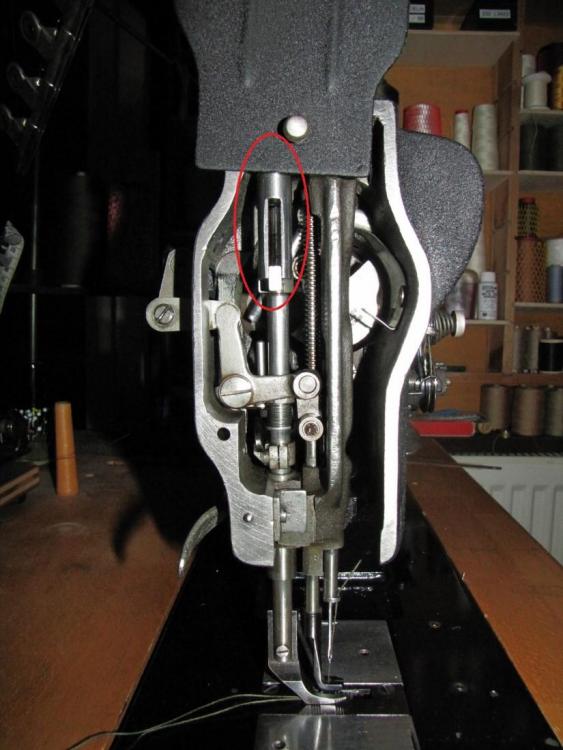
Not sure but try this: loosen the set screw (from mack side) and adjust this thingy here with a screw driver - there is a slit on the top side. You can also raise it a bit just carefully hammer it a bit upward
-
The Seiko SK-8 manual gives a lot more information than the original Singer 132K manual but I´ll attach it here too Check this thread: Singer 132K Manual.pdf
-
I don´t know your sewing process but I would guess you have to increase the foot lift or hold down the material with a bone folder or the like
-
206 RB-1 Knee Lift/Presser Foot Pressure
Constabulary replied to Teslabolt's topic in Leather Sewing Machines
All my machines are a older that me - one is even approx. twice as old as me.They will survive quite a while even if they do not get oiled regularly. But regular oiling should be a habit, thats true! The more you use em the more often you should oil them. I usually oil AFTER sewing so the oil has time to penetrate and before sewing I wipe of access oil so it is not sprinkling / dripping from the parts. When I haven´t used a machine for a few weeks or months or... I oil them before sewing too. But thats just me... -
211w151 bobbin case opener adjustment
Constabulary replied to medivh25's topic in Leather Sewing Machines
Parts are gummed with old oil I guess. Try a heat gun. -
Singer 16K SV 11 - I could not resist
Constabulary replied to Constabulary's topic in Leather Sewing Machines
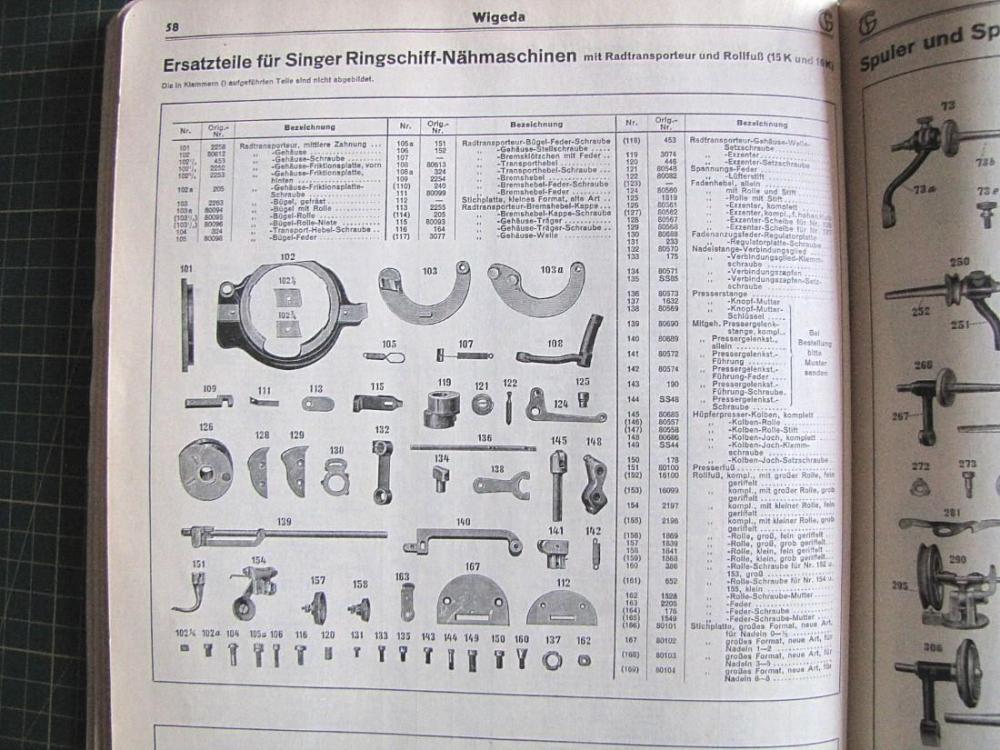
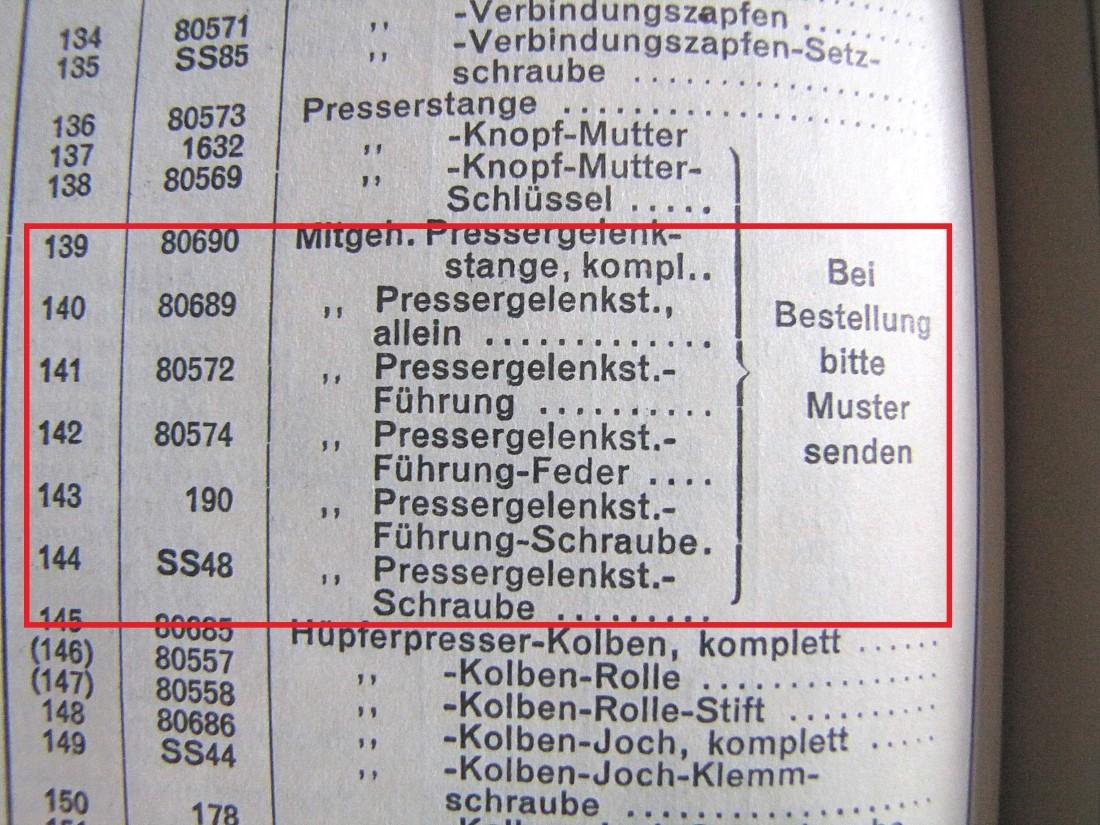
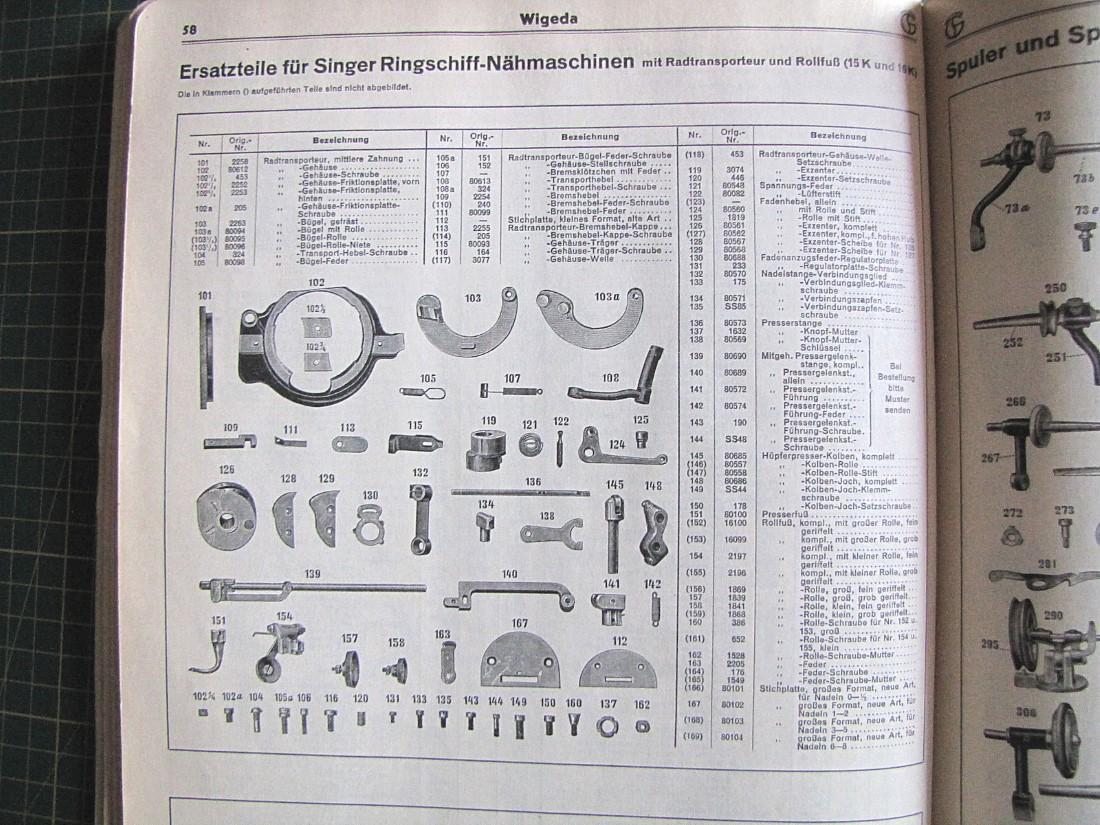
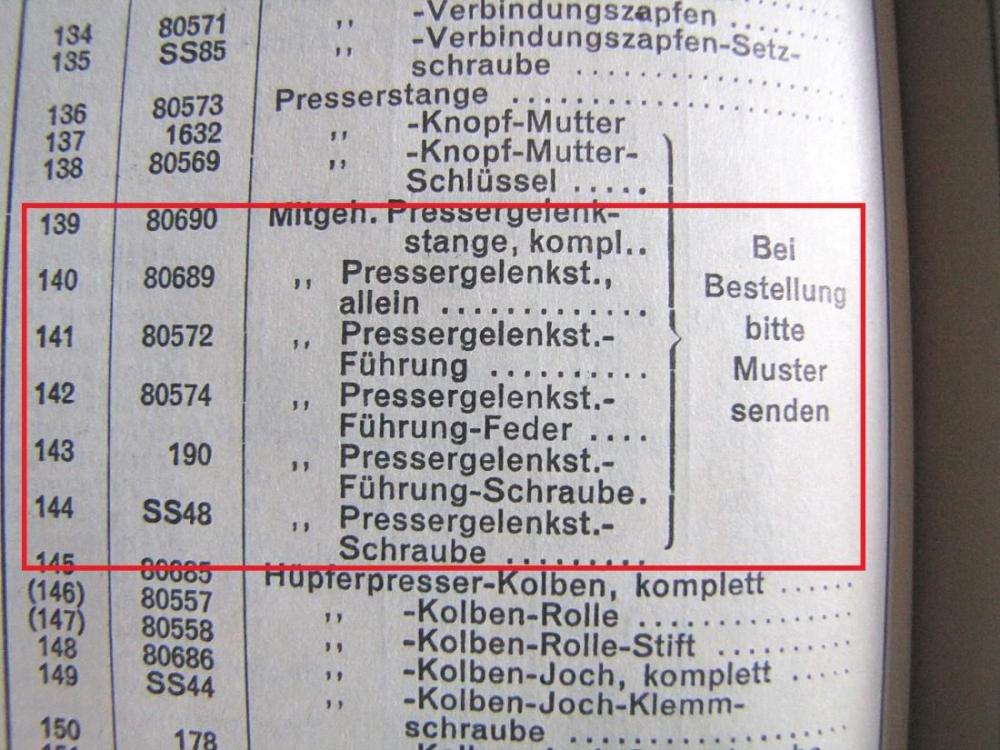
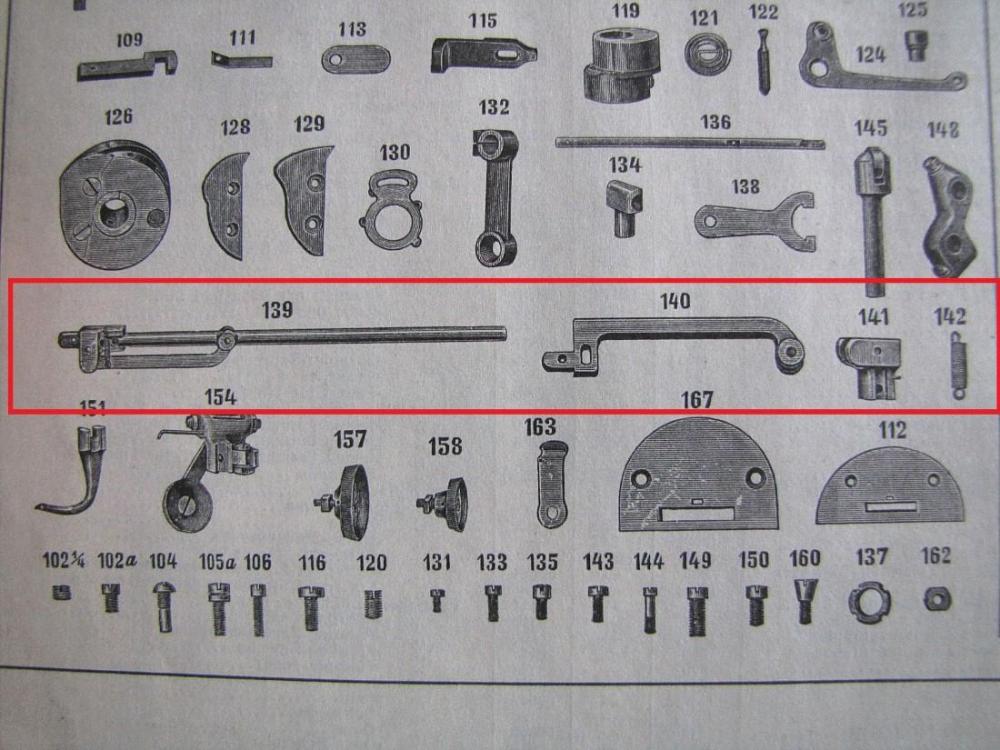
some more. Interesting the hint "Bei Bestellung bitte Muster senden" - thats means: "Send in the original parts when ordering spares". So that makes me think that only a few of these parts (or 16KSV11 machines) were made but have not been mass produced - AND - I guess the company who is seeling these "special parts" probably made these parts for Singer and most likely only for the Singer factory in Witternberge, Germany. Remember - I found this machine approx 30km west of the former Singer factory in Wittenberge! I also guess this particular SV machine COULD have been produced or modified exclusively in the Singer Wittenberge factory. This of course is just my wild guess but it could well be. But I don´t know.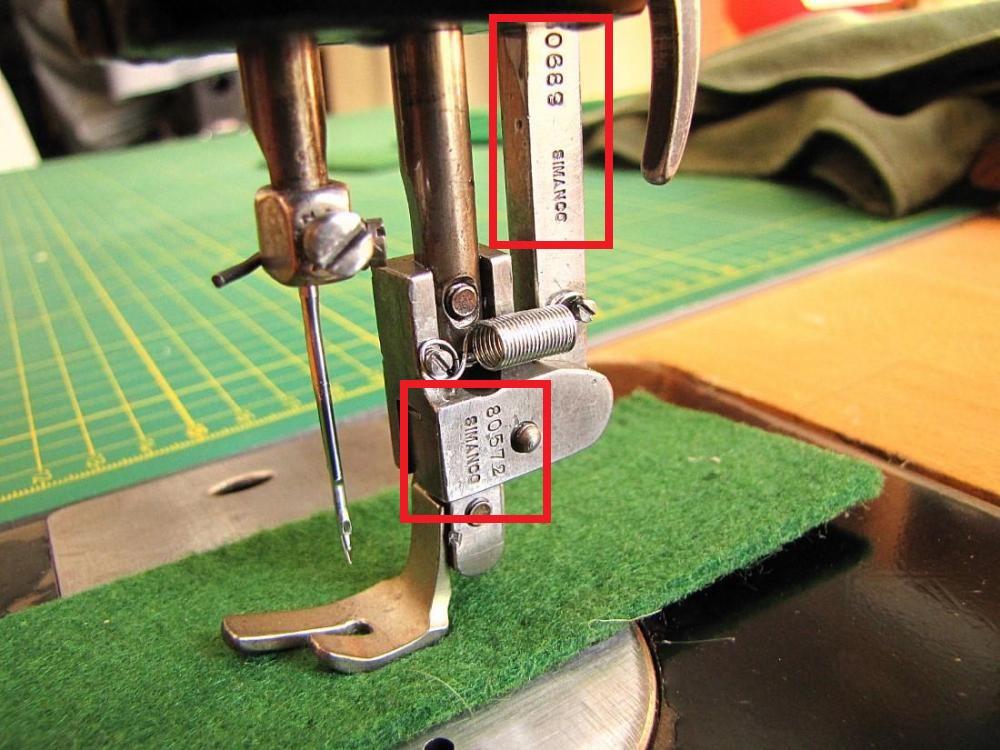
-
Singer 16K SV 11 - I could not resist
Constabulary replied to Constabulary's topic in Leather Sewing Machines
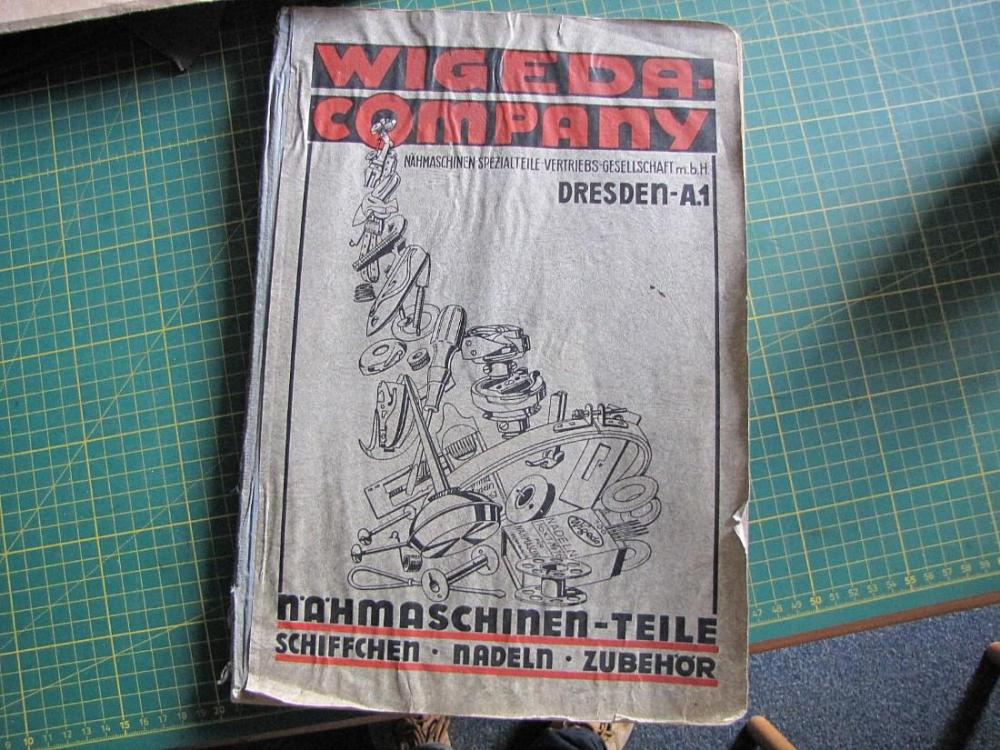
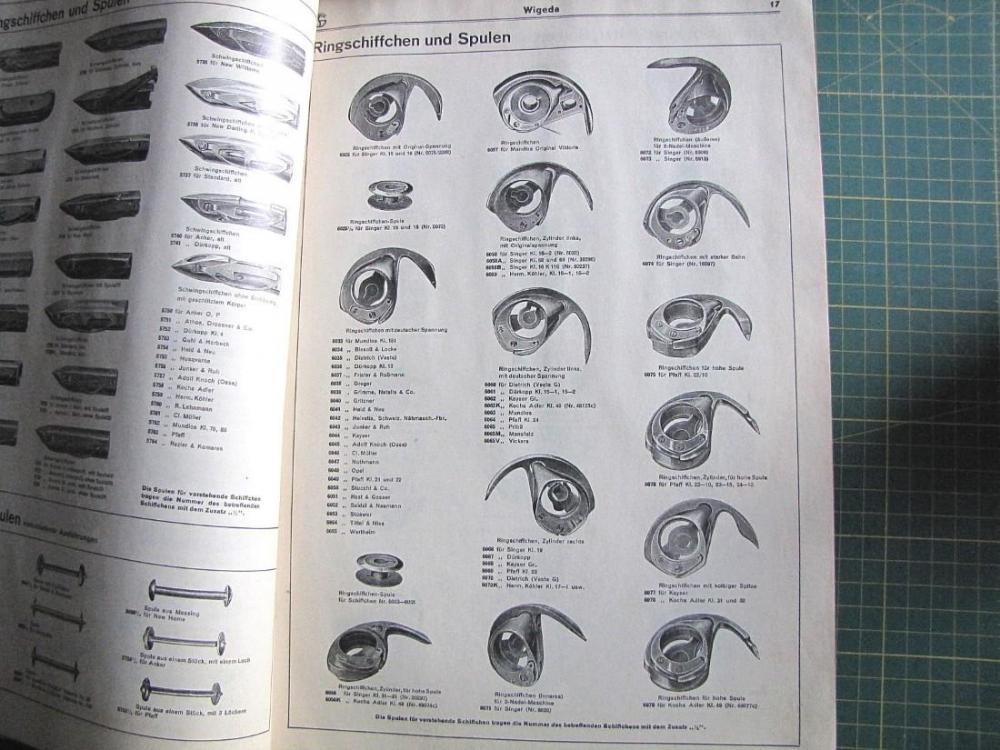
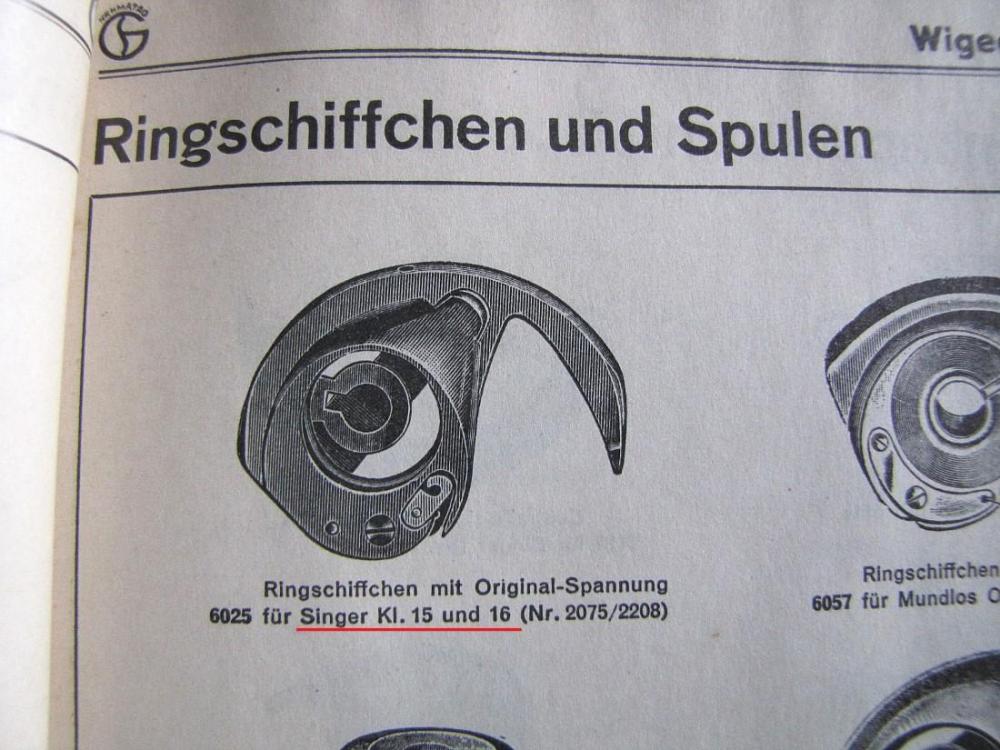
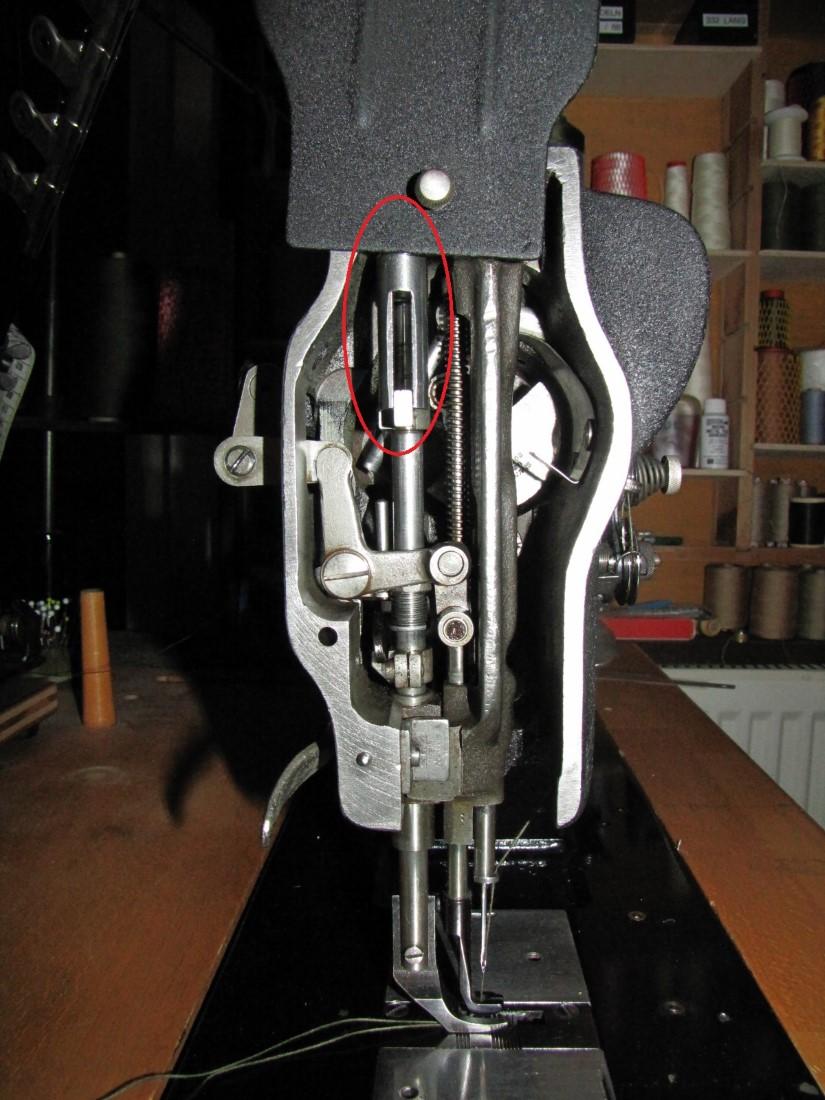
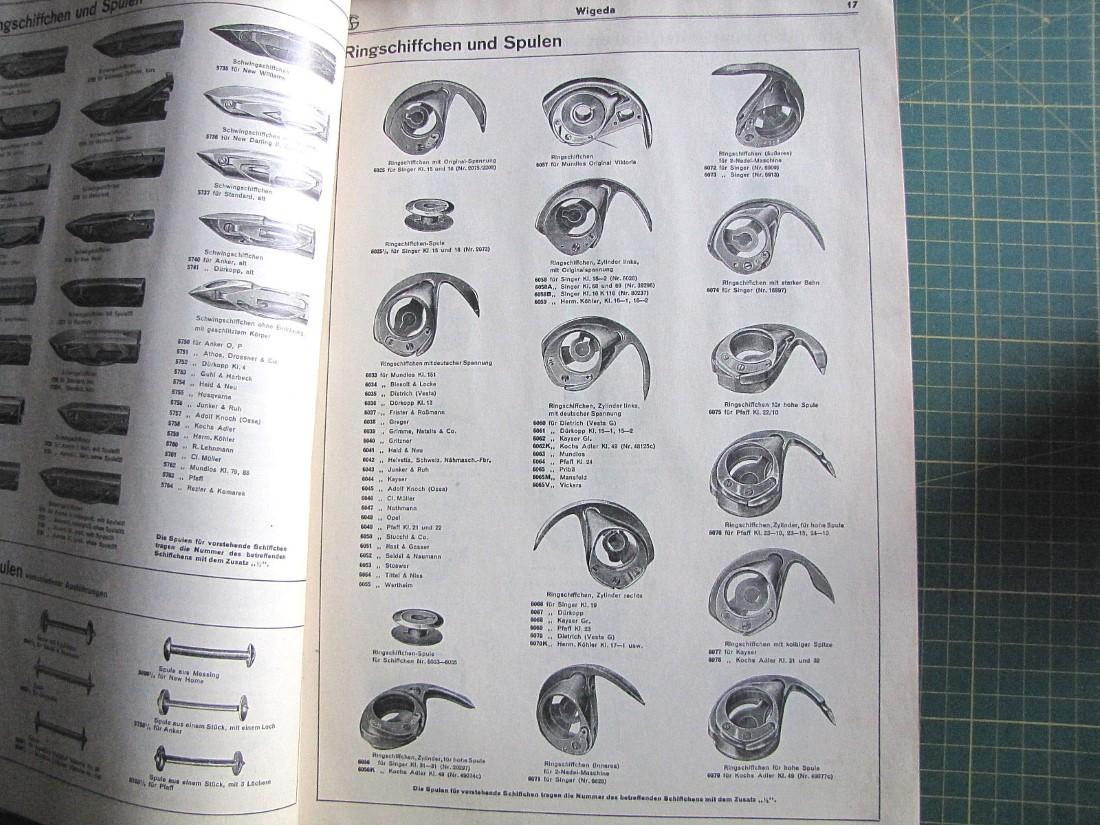
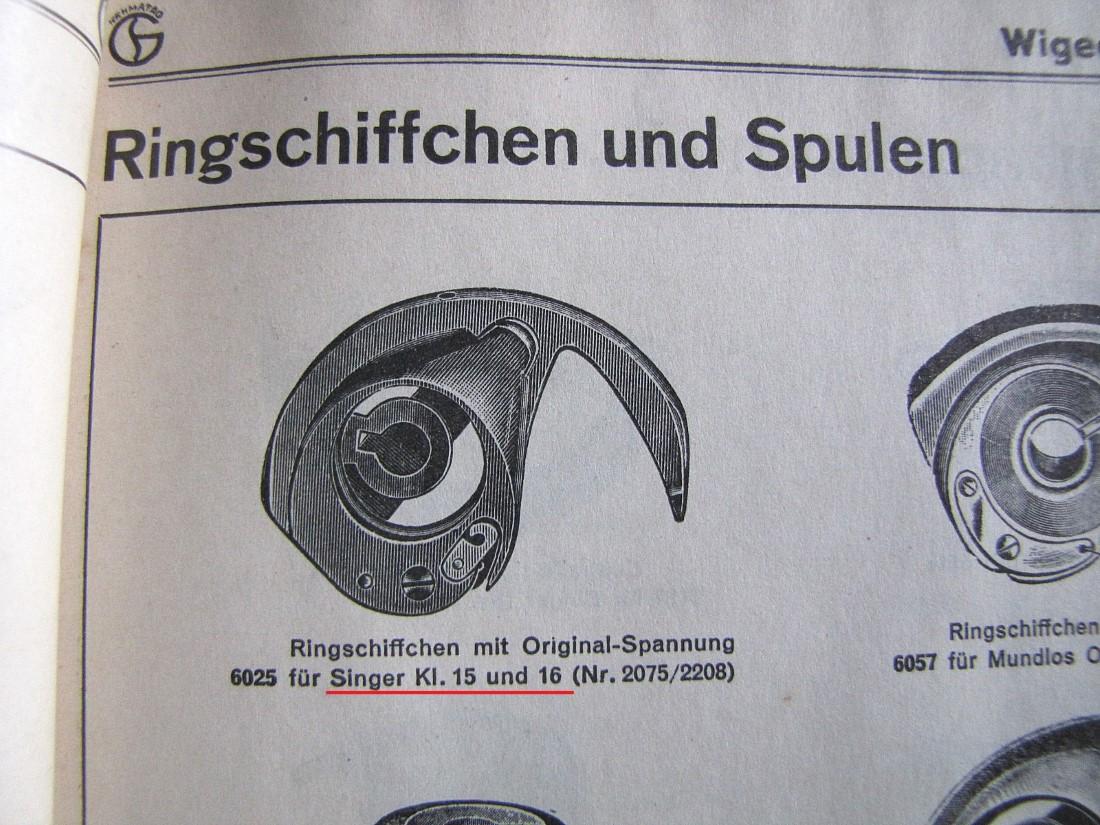
Investigation went on and I figured some interesting details on this old work horse. I´m not into domestic machines but the long beak shuttle hook seems to be the same as for the early Singer Class 15 machines. How do I know? It happens thats I´m studying old manual parts lists and catalogues to find cross use of parts (if you know what I mean) and a while ago I found an old 1940´s parts catalogue from a German aftermarket parts mfg and by the Lord - they have parts of this particular Class 16 jump foot machine in their catalogue Now that really surprised me!